Creating texture without adding complicated layers
Modern interiors often use grooves, linear texture and shadow lines to create depth on otherwise simple wall surfaces. These details can make a space feel more refined, but conventional decorative systems may involve multiple layers, additional painting and more complicated installation.
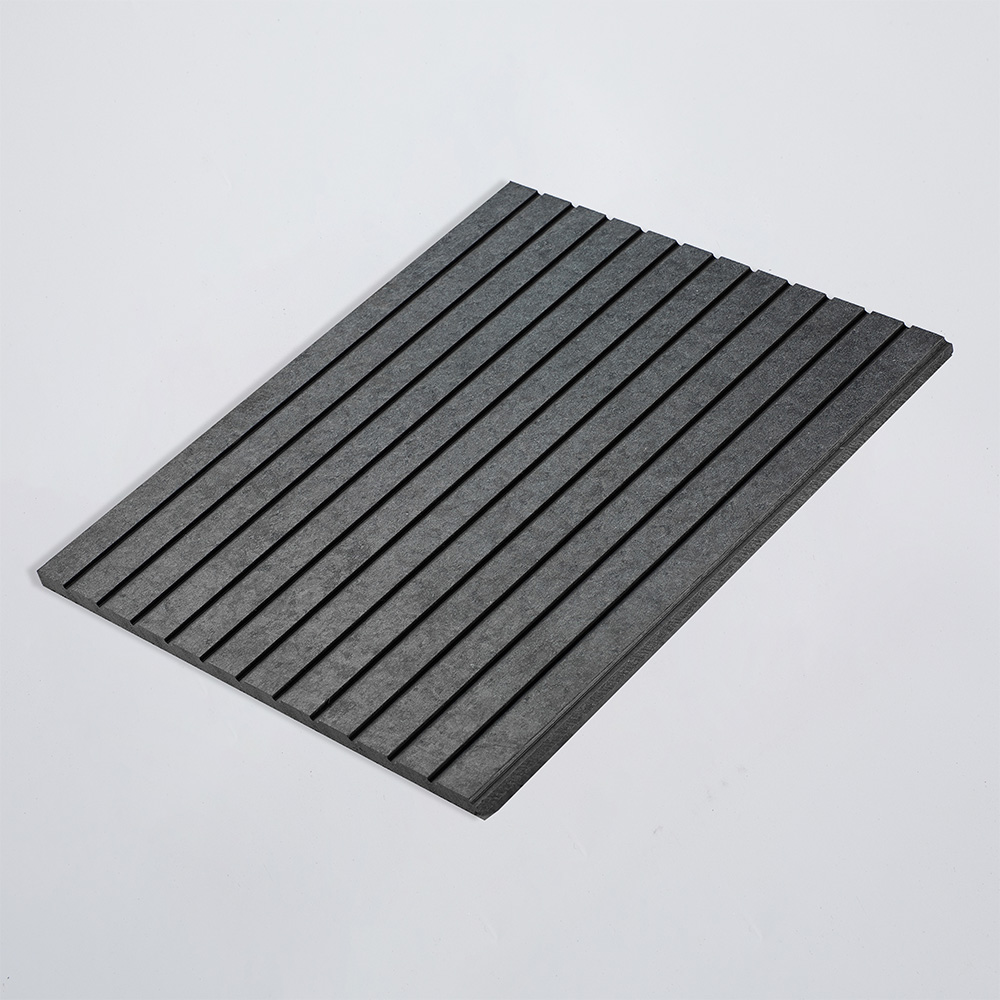
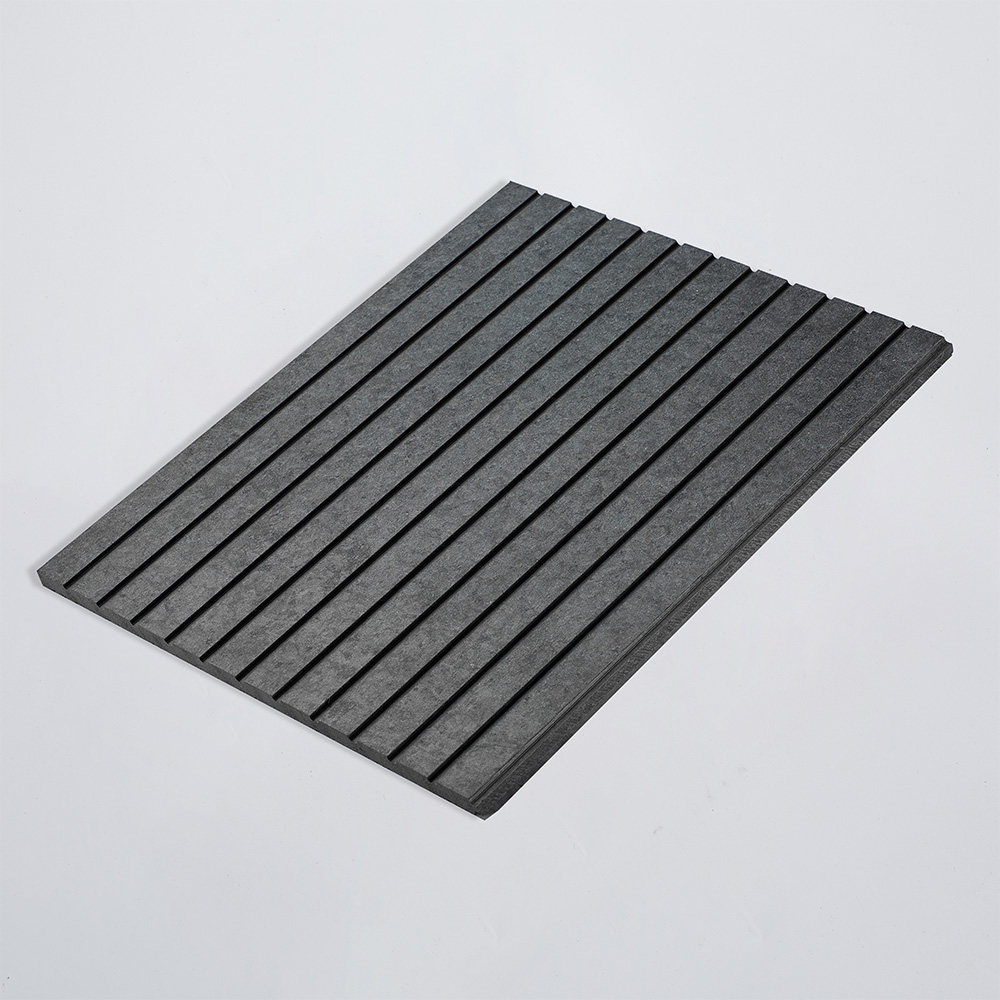
Wonderpan from New Element is designed for this type of architectural application. The official product page describes it as a modern light-luxury wall decoration board with a unique grooved surface. The board surface is concave and convex, with a texture and color intended to remain delicate and natural across the board.
This design approach allows architects and interior designers to introduce a finished decorative surface while retaining the practical properties associated with fiber cement board.
What is Wonderpan?
Wonderpan is a grooved fiber cement board intended for interior and exterior decorative applications. New Element lists the standard size as:
- Length: 2400 mm
- Width: 1200 mm
- Thickness: 10 mm
- Groove depth: 2 mm
- Groove width: 4.1-4.2 mm
The product page also states that other dimensions can be discussed for specific project requirements.
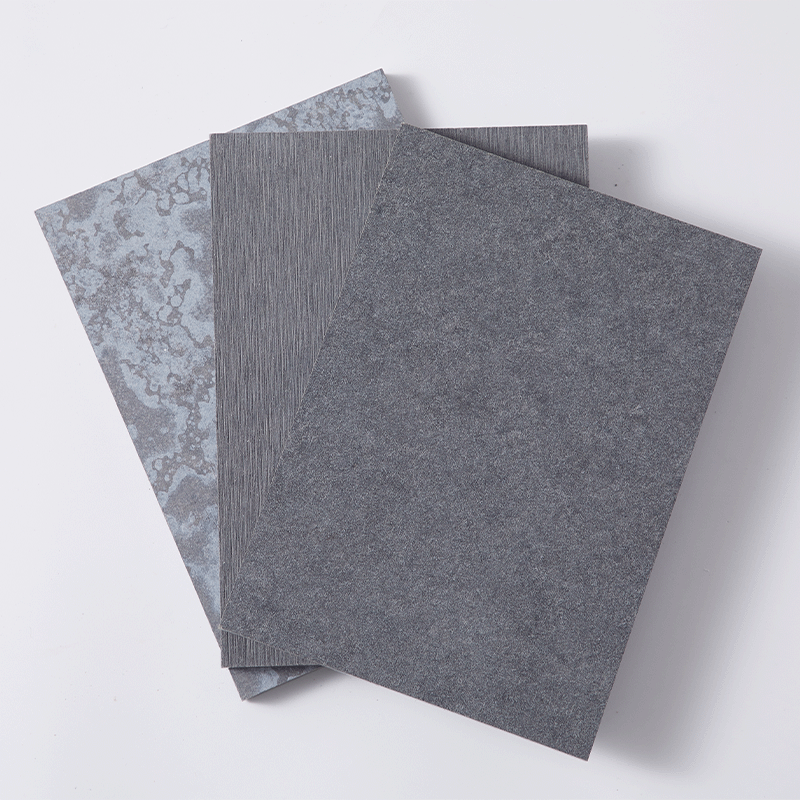
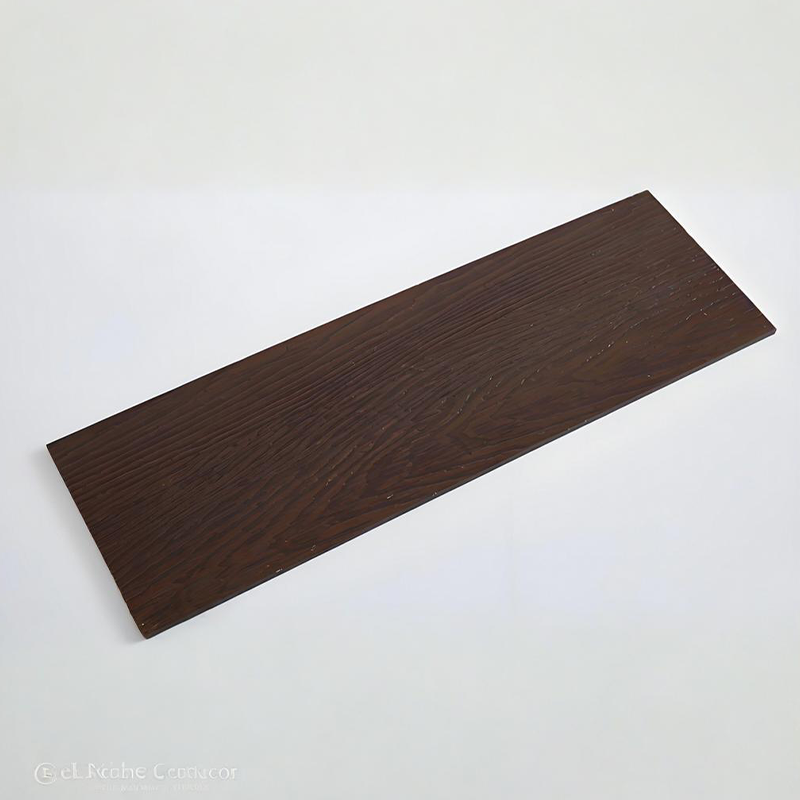
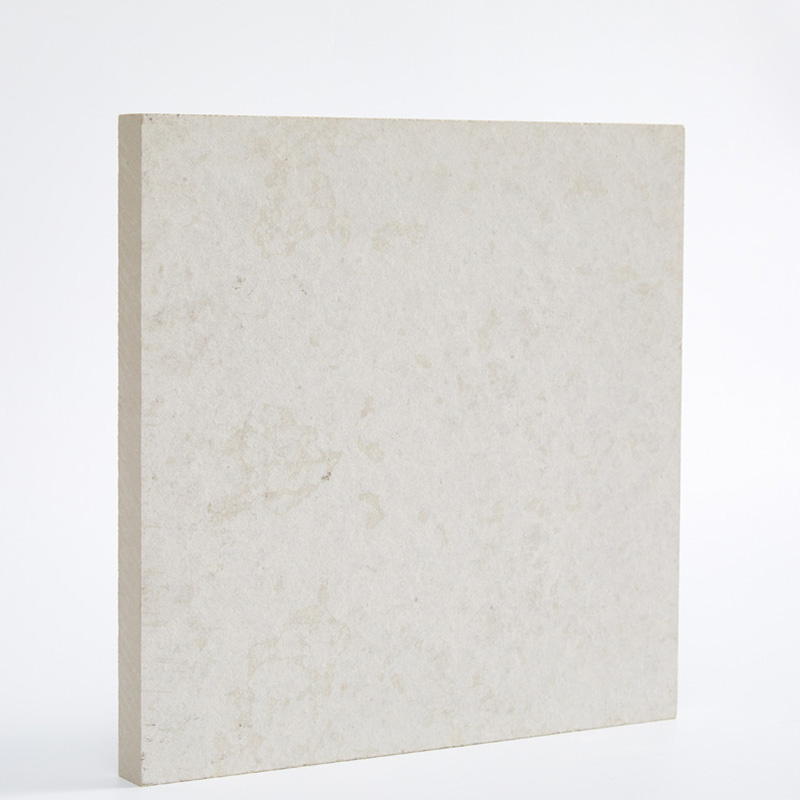
Wonderpan is available in Pure, Neat and Grace surface textures, together with Space Black, Space Grey and Space White colors. This gives designers a controlled palette for minimalist residential interiors, offices, hotels, retail spaces and selected facade applications.
Why grooved wall boards are useful in interior design
Grooves can create rhythm, shadow and visual direction. They may be used to emphasize the vertical height of a wall, define a reception area or create a feature surface behind furniture.
A grooved board can also help designers avoid an overly flat appearance without relying on bold colors or complicated decorative objects. This is especially useful in spaces where the design concept is based on restraint.
Wonderpan may be used for:
Feature walls
A grooved board can create a focal point in a lobby, reception area, living room or hospitality space.
Office interiors
Linear texture can give meeting rooms, corridors and reception zones a more considered finish.
Retail environments
Grooved surfaces can be used to establish a clear brand atmosphere while remaining relatively neutral.
Hotel and restaurant interiors
The material can support a modern decorative language in public areas, subject to the project's fire, moisture and maintenance requirements.
Ceiling applications
The board can continue a wall texture onto selected ceiling surfaces, helping create visual continuity.
Pre-finished appearance and reduced painting work
One of the key benefits listed by New Element is easy installation with no painting. The pre-finished surface is designed to save time and effort during construction while maintaining the intended appearance.
This can offer several practical advantages:
- Fewer finishing operations
- Less dependence on site painting quality
- Reduced drying time
- More consistent color across repeated areas
- Lower disruption during interior fit-out
- Easier coordination with other trades
A pre-finished board does not mean that installation can be treated casually. Boards should be protected from damage during transportation and fitting. Cutting, edge treatment, joint detailing and replacement planning should be agreed before the project begins.
Designers should also request samples because texture and color can appear different under warm, cool, direct or indirect lighting.
Technical properties for demanding spaces
New Element lists the following physical properties for Wonderpan:
- Density of at least 1.40 g/cm³
- Oven-dry bending strength of at least 18 MPa
- Water-saturated bending strength of at least 13 MPa
- Impact strength of at least 1.4 KJ/m²
- Water absorption of no more than 28%
- Moisture movement of no more than 0.25%
- Thermal conductivity of no more than 0.35 W/(m·k)
The product page also lists successful results for water impermeability, freeze-thaw cycles, heat-rain resistance, warm-water exposure and soak-dry testing.
These properties are relevant when a decorative board must do more than simply look attractive. Interior walls may experience impact, cleaning, humidity variation and repeated use. Exterior or semi-exterior applications may add solar radiation, rain and temperature changes.
The board should still be selected according to the specific project environment. A dry office wall, a hotel bathroom feature wall and an exterior insulated facade do not have identical requirements.
Fire resistance and safety
Wonderpan is a fiber cement board and New Element identifies the product as non-combustible. The official information references EN 13501 and AS 1530 for non-combustibility.
This may make the product attractive for public buildings and commercial interiors where fire performance is a major part of material selection. However, the complete wall or ceiling assembly must be assessed. Surface coatings, adhesives, backing materials, insulation, cavities and fixings can all influence fire behavior.
Project teams should obtain current technical documents and test reports before relying on the board for a specific fire-rated construction.
Flexible customization for distinctive interiors
Wonderpan supports customized shape and cutting, and New Element describes the possibility of carving or cutting the board to create distinctive architectural appearances. Customized color is also available through a color card and self-supplied color discussion.
This flexibility can support:
- Custom wall patterns
- Branded reception areas
- Repeated geometric layouts
- Integrated signage backgrounds
- Decorative screens
- Curved or segmented visual arrangements
- Coordinated color schemes across multiple zones
Custom work should be planned early. The design team should provide drawings showing dimensions, groove direction, joint positions, cutouts, edge conditions and installation references. A sample or prototype panel can help confirm the final appearance before production.
Installation and joint planning
The grooved surface makes alignment especially important. If adjacent boards are not positioned correctly, the groove pattern may stop, shift or create an unwanted interruption.
Before installation, the contractor should verify:
- Starting point and datum line
- Groove direction
- Panel module
- Joint width
- Corners and returns
- Door and window openings
- Electrical and mechanical penetrations
- Cutting tolerances
- Fixing locations
- Protection of the finished surface
A dry layout can help identify potential problems before adhesive or mechanical fixing begins. In a feature wall, the first panel often determines the alignment of every panel that follows.
Moisture and maintenance
New Element describes Wonderpan as moisture-resistant and lists water absorption of no more than 28% and moisture movement of no more than 0.25%. These properties may support use in areas where humidity changes occur.
However, the board should not be assumed to be a waterproofing layer. In wet rooms, the waterproofing system, backing construction, joints and surface protection must be designed according to local standards.
The pre-finished surface may reduce painting and routine refinishing, but maintenance teams should still use cleaning products and methods compatible with the finish. Strong chemicals, abrasive tools and uncontrolled impact can damage any decorative surface.
Sustainability and indoor applications
New Element identifies Wonderpan as 100% asbestos free and promotes its boards as sustainable materials. The product's durable surface and reduced need for painting may support efficient fit-out and maintenance, although the complete environmental impact must be assessed through verified project documentation.
The board may be suitable for designers looking to combine decorative texture with a more robust mineral-based panel. Its non-combustibility and durable construction can be particularly relevant in commercial interiors and public-facing spaces.
How to evaluate Wonderpan for a project
Wonderpan should be considered when the design requires:
- A grooved or linear decorative surface
- A pre-finished appearance
- Reduced painting work
- Non-combustible board construction
- Multiple neutral color options
- Custom cutting or carving
- Interior wall and ceiling applications
- A material that can also be evaluated for exterior use
The design team should compare the product with the project's expected traffic, cleaning regime, humidity, impact risk and fire requirements.
Conclusion
Wonderpan is a modern grooved fiber cement board for designers who want texture, color and architectural depth in a practical panel format. Its official product information highlights a 2 mm groove depth, approximately 4.1-4.2 mm groove width, 10 mm thickness, pre-finished installation, fire resistance, moisture movement control and flexible customization.
Its success depends on accurate layout and complete system design. Groove alignment, joint treatment, support conditions and project-specific fire and moisture requirements should be resolved before installation. When carefully detailed, Wonderpan can help create distinctive wall and ceiling surfaces that combine decorative impact with the durability of fiber cement construction.
For official samples, technical data and customization discussions, visit New Element Group.