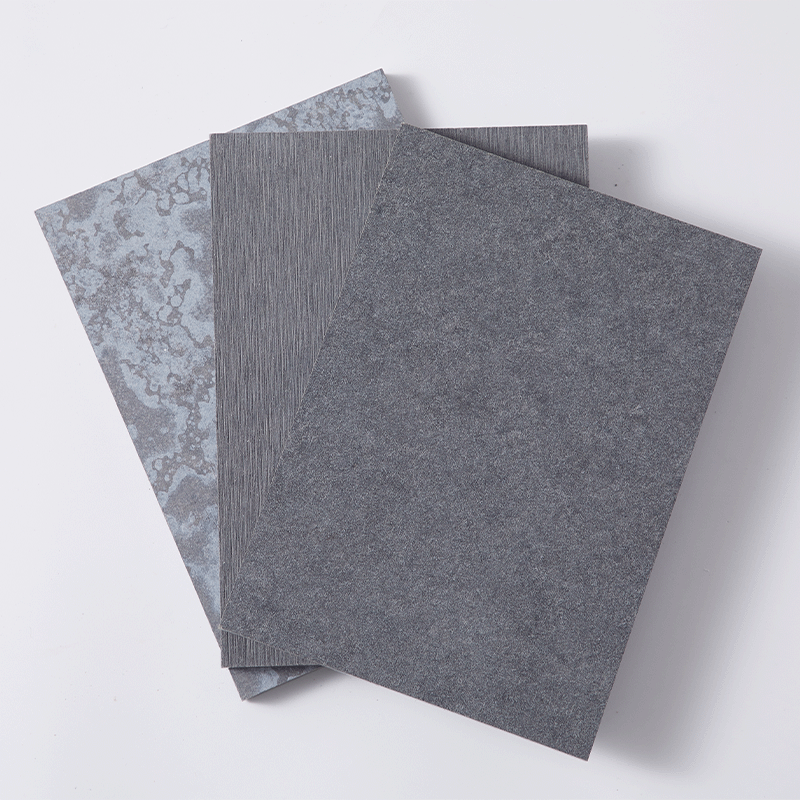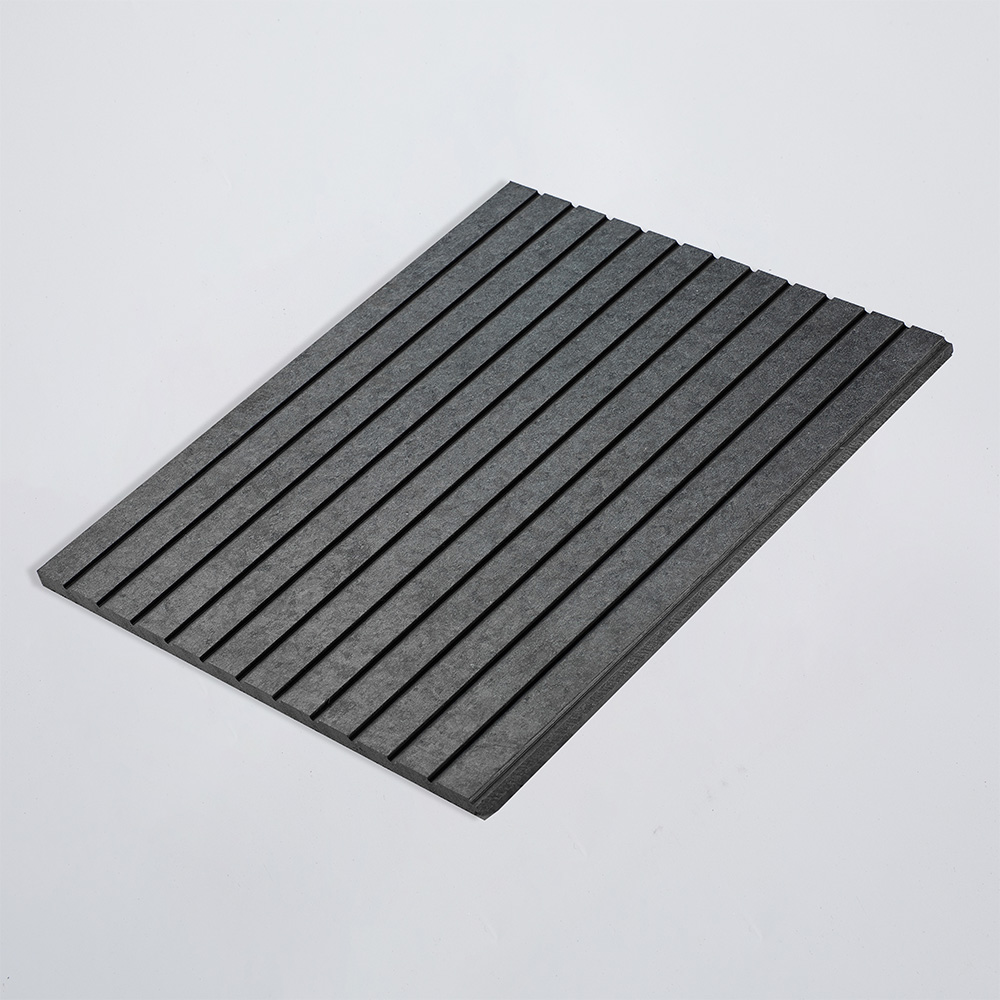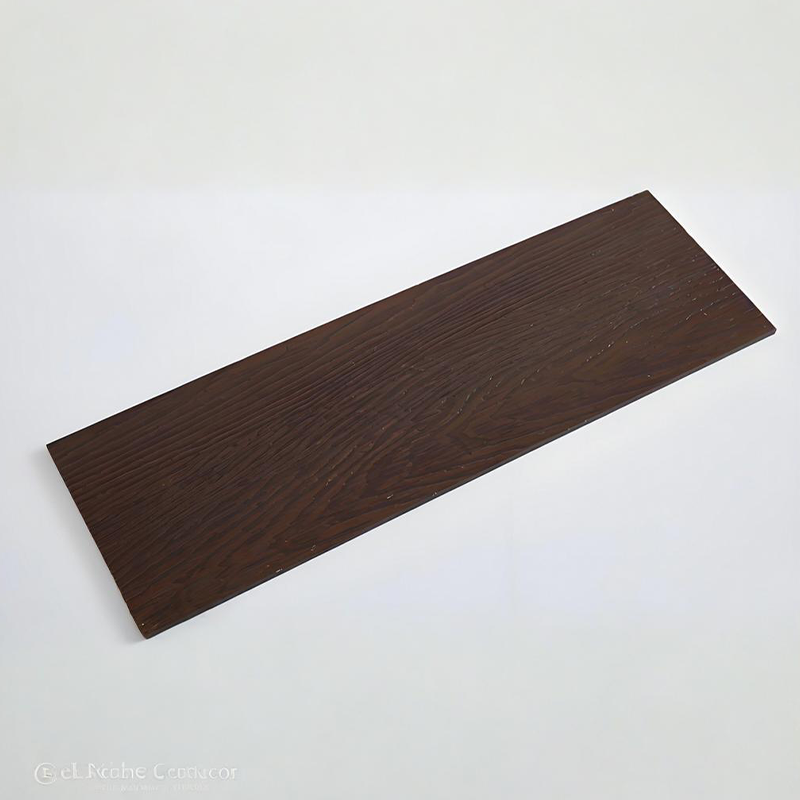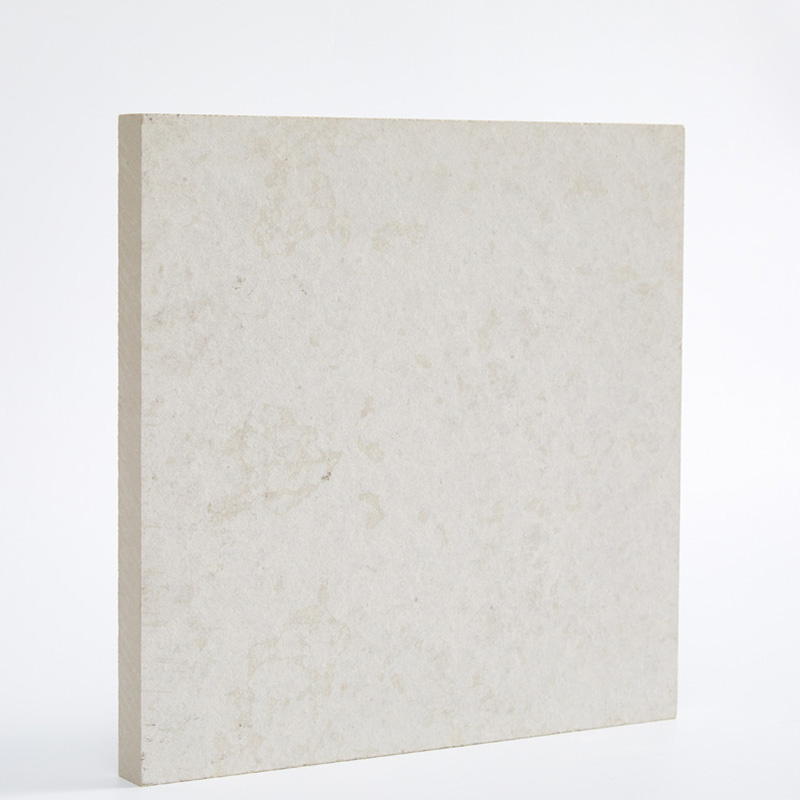
In modern architecture and interior design, bathroom spaces place particularly stringent demands on material performance. The constant exposure to high humidity, high temperatures, and frequent temperature fluctuations presents significant challenges to the durability, moisture resistance, and stability of traditional materials. As a stable inorganic board material, fiber cement board for bathrooms effectively addresses the challenges of humid environments.
Fiber Cement Board for Bathroom VS Traditional Materials
In bathroom application scenarios, the choice of materials directly determines subsequent maintenance costs and user experience. Compared with traditional gypsum boards, wooden boards and ordinary cement boards, fiber cement board for bathroom shows more comprehensive performance advantages.
First of all, from the perspective of material structure, traditional gypsum boards easily absorb water and swell in humid environments, and may deform, crack or even pulverize after long-term use. The fiber cement board for bathroom is made of inorganic mineral raw materials. It has a stable internal structure and is not easily affected by moisture. It can maintain good dimensional stability even in high-humidity environments.
Secondly, although wooden boards have certain processing convenience, their natural properties determine that they are prone to mildew, corrosion and other problems in the bathroom environment. In contrast, fiber cement board for bathroom does not contain organic ingredients, which avoids the conditions for mold growth from the source and greatly improves the hygiene and safety level of the space.
In addition, although ordinary cement boards have certain water resistance, they have shortcomings in terms of weight, ease of construction and surface smoothness. fiber cement board for bathroom not only ensures strength, but also has a lighter structure and better processing performance, which can effectively improve construction efficiency.
Through comparison, it can be seen that fiber cement board for bathroom not only makes up for the shortcomings of traditional materials, but also achieves comprehensive improvements in comprehensive performance, becoming the preferred material in modern bathroom projects.
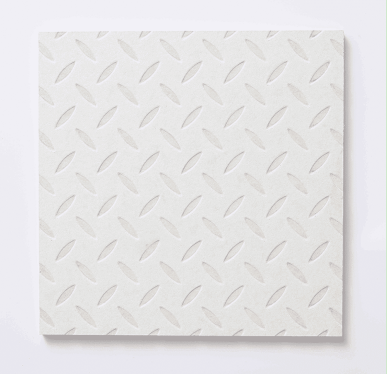
Key Advantages of Using Fiber Cement Board for Bathroom Walls
Bathroom walls not only need to bear the weight of the tiles, but also resist the direct impact of water vapor during the shower. Using fiber cement board for bathroom as wall substrate has the following significant advantages:
Excellent Moisture Resistance and Low Water Absorption
The most taboo thing about bathroom walls is that the material absorbs water and expands. fiber cement board for bathroom has undergone an advanced high-pressure steaming process so that its physical structure can still maintain more than 90% of its strength in a wet state. Its extremely low wet expansion rate means that even in extremely humid environments, the board will not expand to the point of squeezing surrounding structures or causing tiles to crack.
Strong Load-bearing Capacity and Dimensional Stability
fiber cement board for bathroom has extremely high bending strength. As a backer board, it provides a stable, hard and non-deformable surface for ceramic tiles. This dimensional stability ensures that the joints of the wall will remain tight and will not crack after many years of use.
Complete Mildew and Antifungal Properties
Since it is composed entirely of inorganic materials, fiber cement board for bathroom does not provide any nutrients for mold to grow. This feature is crucial in bathrooms with limited ventilation. It can fundamentally prevent the growth of mold, protect indoor air quality, and reduce the owner's maintenance expenses.
Environmental Protection and Health Protection
High-quality fiber cement board for bathroom strictly implements 100% asbestos-free standards. During construction and use, no harmful fibers or volatile organic compounds will be produced, fully complying with international green building evaluation standards.
Enhancing Durability: Fiber Cement Board for Bathroom Ceilings
The suspended ceiling is the most overlooked part of bathroom decoration but also the most prone to problems. Rising hot steam can collect on the ceiling and form condensation. Using fiber cement board for bathroom ceilings is key to ensuring durability.
Solve the Problem of Sagging Ceilings
After absorbing water vapor in the bathroom, many traditional ceiling materials will physically deform due to the increase in their own weight, forming unsightly "wavy" sagging. fiber cement board for bathroom has excellent lightweight and high-strength properties. Its internal chemical bonding structure ensures that it can remain flat under the dual pressure of gravity and moisture.
Excellent Thermal Insulation
fiber cement board for bathroom has a low thermal conductivity, which helps maintain the temperature in the bathroom, reduces heat loss, and can effectively reduce the formation of condensation on the ceiling surface. This panel provides the ideal installation carrier for modern bathrooms with integrated suspended ceilings, heating systems or recessed lighting.
Variety of Finishes and Aesthetic Expression
When used as a ceiling, fiber cement board for bathroom provides a flat surface. Designers can choose latex paint spraying, fluorocarbon paint treatment or lamination technology according to the style of the project. Its excellent adhesion ensures that the decorative layer will not peel off or peel, and will maintain a brand-new visual effect for a long time.
How to Install Fiber Cement Board for Bathroom Projects
To get the most out of fiber cement board for bathroom, standard construction procedures and professional attention to detail are essential.
Base Layer Processing and Laying Out
Before installation, it must be ensured that the spacing of the metal keels meets the design requirements. Due to the special bathroom environment, it is recommended that the distance between keels be controlled within 400mm to enhance overall rigidity.
Plate Cutting
fiber cement board for bathroom can be cut using an ordinary woodworking chainsaw or a special panel cutter. Pay attention to dust prevention at the construction site, and it is recommended to use cutting tools with dust collection functions.
Panel Fixation
When installing fiber cement board for bathroom, use countersunk head self-tapping screws that are highly resistant to rust. The nail distance is usually 10-15cm from the edge and 20-30cm from the middle part. When fixing, be sure to leave a 3-5mm expansion gap between the boards.
Seams and Waterproofing
This is the core step in bathroom construction. The joints of fiber cement board for bathroom should be filled with special caulking paste and anti-crack fiber mesh should be pasted. Before laying ceramic tiles, a professional waterproof coating must be applied to the surface of the board to ensure that water vapor cannot penetrate into the keel system.
Decoration Construction
After the waterproof layer is dry, you can use tile glue to lay the tiles, or repair the flatness and then paint. The high adhesion properties of fiber cement board for bathroom greatly shorten the waiting time of this process.
Conclusion
Whether in terms of physical performance, ease of construction, or long-term economic benefits, fiber cement board for bathroom is undoubtedly the top choice for modern bathroom decoration. It not only solves stubborn problems such as moisture, mildew, and deformation, but also provides users with a safe environment through its high-standard fire protection and environmental protection features.
As China's leading manufacturer of asbestos-free building boards, New Element adopts the world's leading production processes to ensure that each fiber cement board for bathroom meets international quality system certification.