In modern construction engineering, humid environments pose a severe challenge to the durability of building materials. Whether in rainy coastal areas, tropical climates with extremely high humidity, or in interior spaces like bathrooms, kitchens, and swimming pools, moisture erosion often leads to material deformation, mold growth, and even structural failure. Therefore, choosing a board material that can resist moisture erosion over the long term and maintain stable performance is crucial.
Fiber cement board, as an advanced composite building material, has gradually become the preferred solution for dealing with humid environments due to its superior physicochemical properties. Compared to traditional wood-based panels or ordinary gypsum board, water-resistant fiber cement board exhibits extremely high stability when exposed to moisture. It not only effectively prevents water damage but also maintains the aesthetics and safety of buildings over a long service life.
What is Fiber Cement Board
Fiber cement board is a composite board made primarily of cement, fiber, and mineral materials. It combines strength and stability, making it particularly suitable for complex environments.
Core Components and Manufacturing Process
The robustness of fiber cement board stems from its scientifically formulated composition. Cement, acting as a binder, provides compressive strength, while natural fibers, like reinforcing steel in concrete, enhance the board's flexural strength and toughness. During manufacturing, these raw materials are mixed and stacked layer by layer through a rigorous process. This process ensures that water-resistant fiber cement board possesses extremely high density, effectively preventing water molecule penetration at the microscopic level.
Traditional Materials VS Fiber Cement Board
In humid areas, wood is prone to moisture damage and rot, and gypsum board is prone to crumbling and falling off. Fiber cement board, on the other hand, is an inorganic mineral material that contains no organic nutrients and is not easily rotten.
| Comparison Dimension | Wood | Gypsum Board | fiber cement board |
| Material Type | Organic material | Semi-inorganic material | Inorganic mineral-based material |
| Moisture Resistance | Absorbs water easily, prone to rot | Weak when exposed to moisture, prone to degradation | Excellent moisture resistance |
| Durability | Affected by humidity, shorter lifespan | Reduced stability in humid conditions | Long-lasting and stable in high-humidity environments |
| Resistance to Decay | Susceptible to rot and mold | Prone to moisture damage | Contains no organic nutrients, fundamentally prevents decay |
| Performance After Water Absorption | Significant strength loss, irreversible | Structural damage after water exposure | Low strength loss after saturation; properties recover after drying |
| Structural Stability | Warping and cracking likely | Prone to crumbling and detachment | High dimensional stability and structural integrity |
| Suitable Applications | Mainly dry environments | General indoor use | Ideal for humid and complex climate conditions |
Core Benefits of Fiber Cement Board in Humid Areas
Using water-resistant fiber cement board in damp areas offers several core benefits, including exceptional dimensional stability, excellent moisture and water resistance, and strong resistance to mold and insects.
Superior Moisture and Water Resistance
The most significant characteristic of water-resistant fiber cement board is its ability to retain moisture. Ordinary materials often crack due to expansion from water absorption and contraction from water loss when humidity fluctuates drastically.
Low Water Absorption: New Element's boards undergo a special process to achieve extremely low water absorption, effectively preventing moisture from penetrating the wall structure.
Performance Recovery: Even under extreme conditions of complete immersion in water, fiber cement board will not disintegrate or weaken. It recovers its original strength and shape when the environment dries, a crucial property for basements or bathroom partitions frequently exposed to moisture.
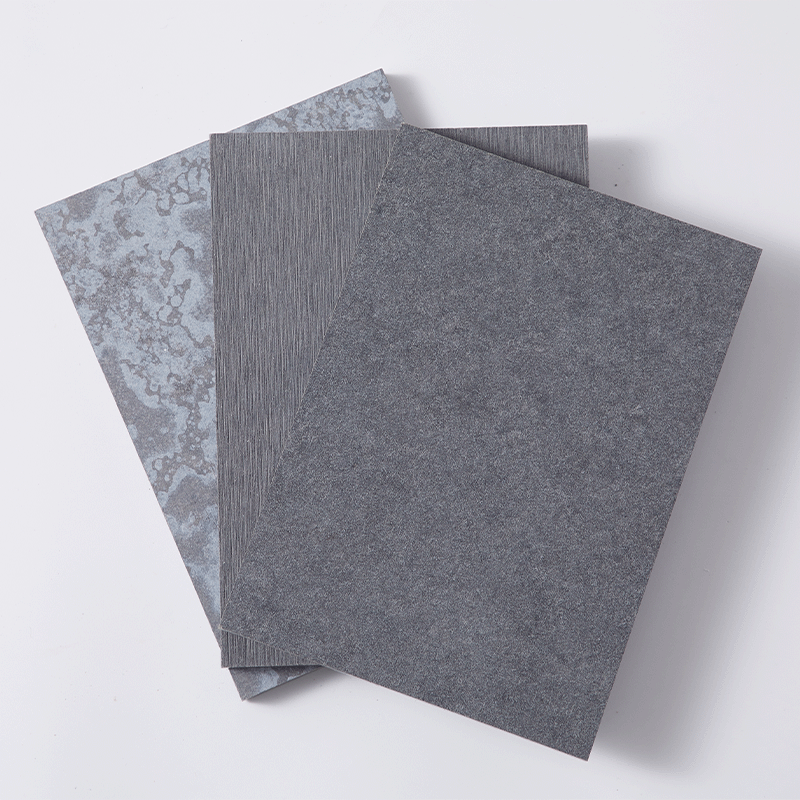
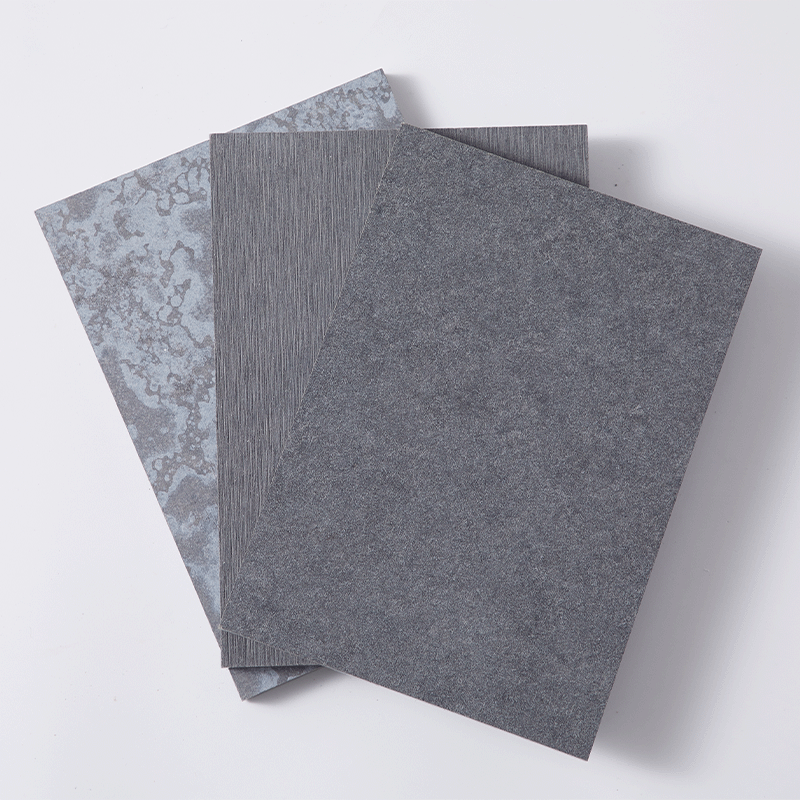
fiber cement board with high density
Extremely Low Expansion and Contraction Rates
Dimensional stability is a key indicator of the quality of a building material, especially in areas with frequent temperature and humidity changes.
Structural Integrity: The new fiber cement board features extremely low expansion and contraction rates. This means that even in extremely humid environments, the joints between boards are less prone to cracking, ensuring the long-lasting stability of finishes such as tiles and paint.
Reduced Maintenance: Due to the minimal dimensional changes in the material itself, structural stress caused by thermal expansion and contraction is reduced, thus extending the lifespan of the entire building's exterior walls or partition systems.
Mold and Insect Resistance and Biological Resistance
Humid environments are often accompanied by mold growth and insect infestations. Fiber cement board, due to its inorganic properties, provides a natural defense for buildings.
Inhibiting Mold Growth: Moisture and organic matter are breeding grounds for mold. Because water-resistant fiber cement board contains no organic components other than cellulose, mold cannot obtain nutrients from its surface or interior.
Resistant to Insect Infestations: Traditional wooden building materials are susceptible to termite damage, while fiber cement board, being hard and biologically inactive, effectively resists insect infestations, protecting the building structure from being hollowed out.
Different Application Scenarios for Water Resistant Fiber Cement Board
Due to its unique versatility, fiber cement board has a wide range of applications, covering everything from interior decoration to industrial construction.
Interior Wet Zone Partitions and Ceilings
In residential and commercial buildings, kitchens and bathrooms are the areas with the highest humidity.
Tile Backing: Water-resistant fiber cement board is an excellent base material for tiles. Its high strength can support heavy stone or large-sized tiles without causing them to fall off due to moisture on the back.
Ceiling Systems: In saunas or bathrooms, using this board as a ceiling prevents the board from collapsing due to water vapor condensation, ensuring the safety of public spaces.
Exterior Wall Cladding and Decoration
For buildings located in rainy areas or with large temperature differences, the protective performance of the exterior walls directly determines the building's lifespan.
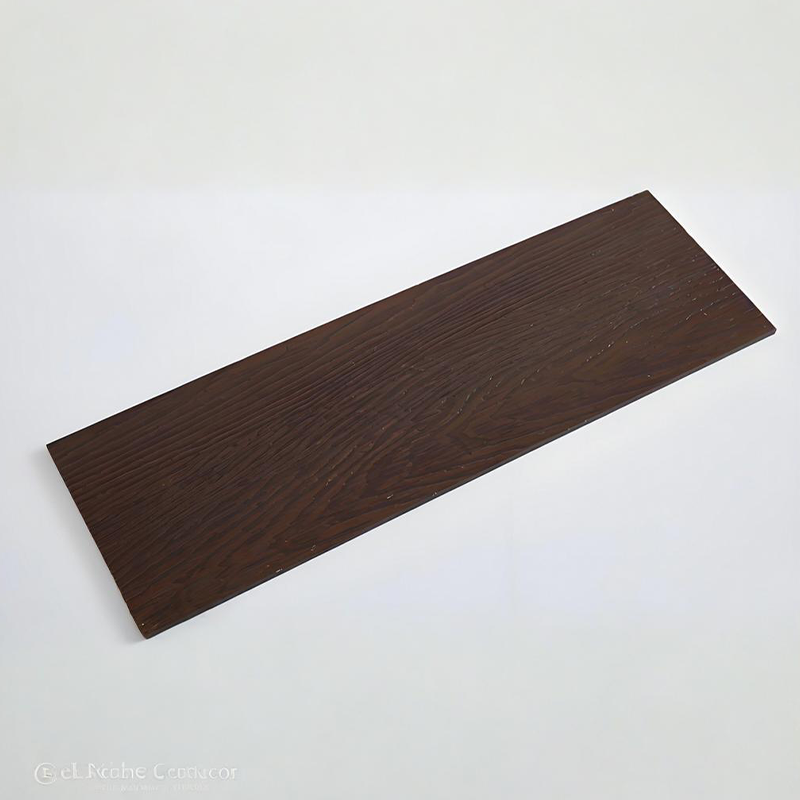
Exterior Wall Cladding: Fiber cement board can be processed into various textures (such as wood grain and stone grain), providing both an aesthetically pleasing appearance and acting as a sturdy "protective shield" to prevent rainwater from penetrating the main structure.
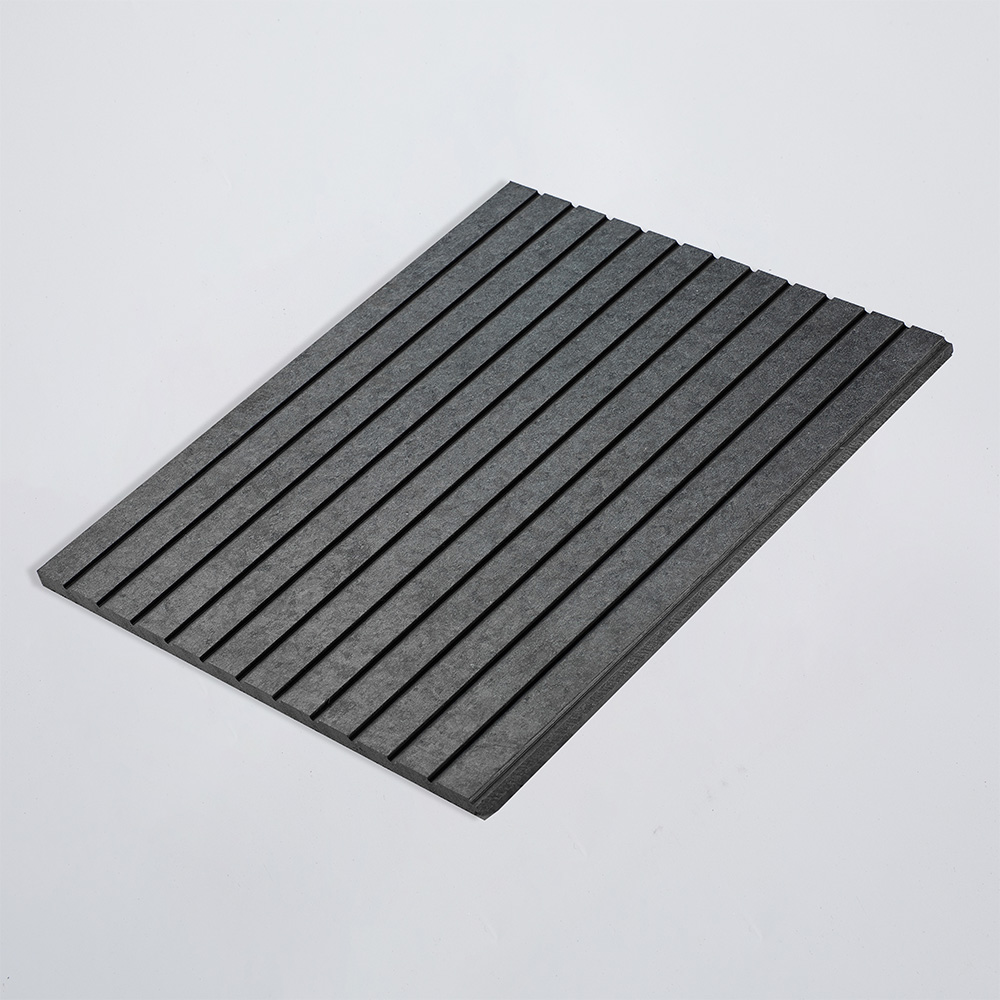
Ventilation grilles: In humid climates, ventilation grilles made of water-resistant fiber cement board can maintain their shape and provide long-lasting ventilation.
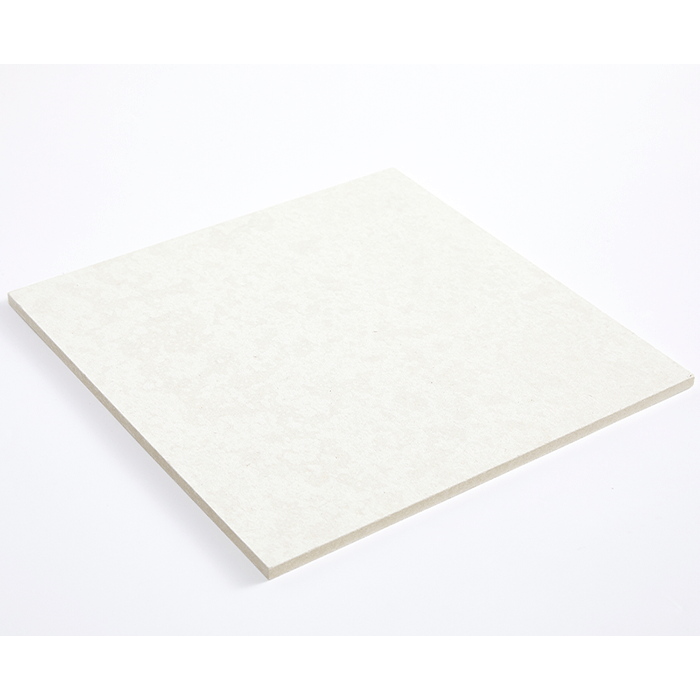
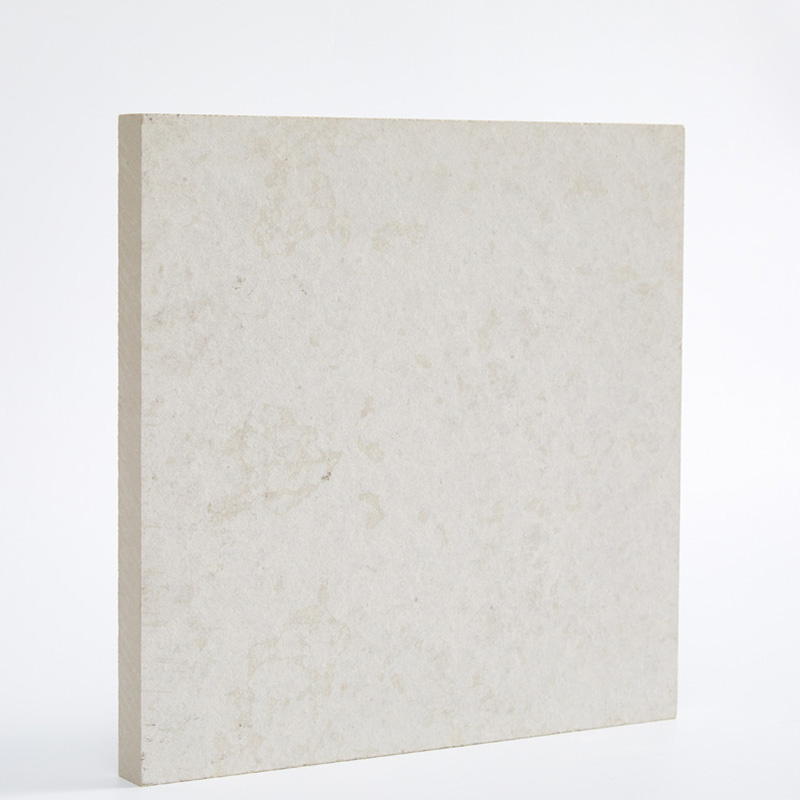
water-resistant fiber cement board
Why Choose New Element for Your Projects
Among numerous fiber cement board suppliers, New Element stands out due to its deep technological expertise and superior product quality.
Leading Manufacturing Processes and Patented Technology
New Element possesses over 30 patented technologies, dedicated to providing high-quality solutions for diverse construction needs. The company utilizes internationally advanced production lines to ensure that every piece of water-resistant fiber cement board meets stringent physical performance standards.
Low Expansion Design: New Element's products are specifically designed for low expansion and low shrinkage, allowing them to maintain remarkable integrity even in harsh environments.
Automated Production: Automated production processes ensure uniform board density, eliminating quality fluctuations that can occur with manual handling.
Environmental and Safety Commitment
As a responsible supplier, New Element understands the importance of material safety for engineering projects.
100% Asbestos-Free: All of New Element's fiber cement board products are asbestos-free. This means that no harmful dust will be generated during construction, cutting, and long-term use, fully complying with green building standards.
Sustainable Development: Our production processes emphasize energy efficiency management, and our products are recyclable, making them ideal for sustainable building projects.
Conclusion
Fiber cement board, with its advantages of being waterproof, mildew-proof, insect-proof, and possessing extremely high dimensional stability, has become the preferred building material for damp areas. Whether dealing with extreme climatic conditions or solving the maintenance challenges of indoor wet areas, water-resistant fiber cement board demonstrates unparalleled performance advantages.
As an industry leader, New Element has deep expertise in calcium silicate and fiber cement technology, earning the trust of global customers with its durable quality and reliable products. If you are looking for high-quality fiber cement board that can enhance project value and reduce long-term maintenance costs, New Element is your most trustworthy partner.