Outdoor decking must endure constant exposure to sunlight, rain, temperature changes, heavy foot traffic, and in many regions, the added threat of bushfires. Property owners and project managers frequently face high maintenance costs, premature material failure, and safety concerns with conventional options.
Challenges with Traditional Decking Materials
Timber decking, even when treated, remains susceptible to rot, warping, cracking, and insect attack. Regular sealing, staining, and eventual replacement drive up long-term costs. In bushfire-prone areas, timber often fails to meet stricter fire regulations.
Wood-plastic composite (WPC) decking was introduced as a lower-maintenance alternative, yet many formulations still suffer from color fading, thermal expansion, surface cracking under intense heat, and reduced structural performance over time. In high-traffic commercial settings or coastal environments, these limitations become particularly evident.
These recurring issues have led specifiers and contractors to seek more stable, fire-resistant, and genuinely low-maintenance solutions for outdoor flooring.
Why Fiber Cement Decking Planks Deliver Superior Performance
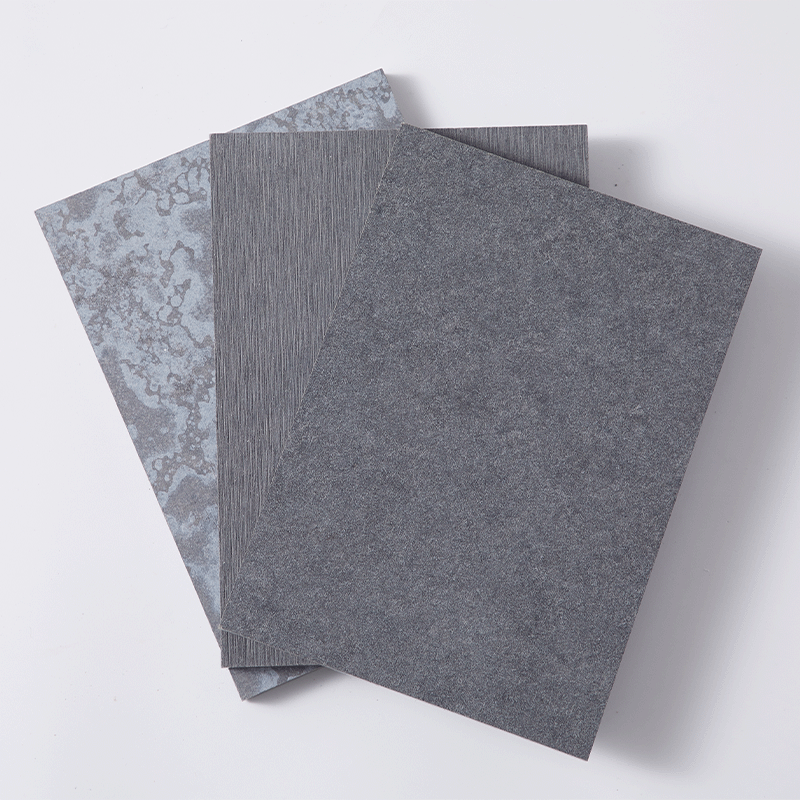
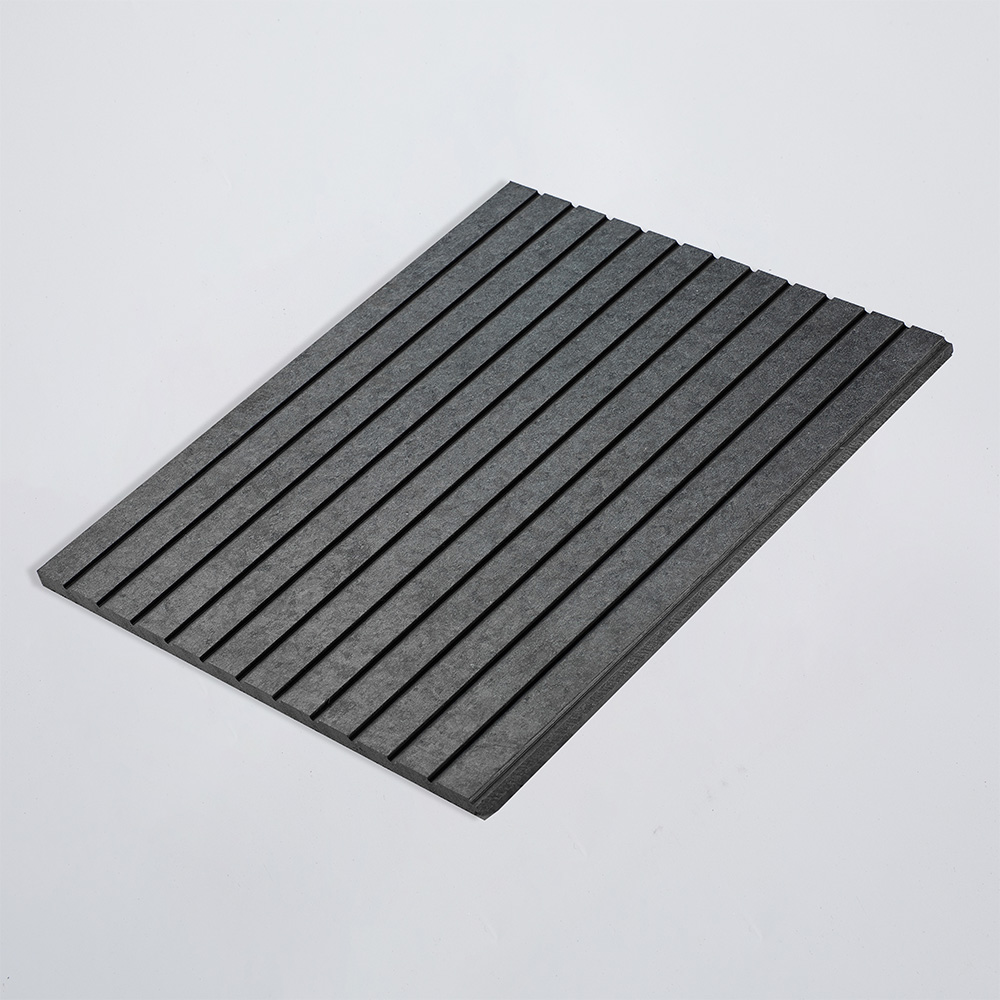
Fiber cement decking planks combine cement, cellulose fibers, and mineral additives through a high-pressure autoclaving process. The resulting inorganic material offers a balanced set of properties that directly address the weaknesses of both timber and WPC.
Key advantages include excellent fire resistance, dimensional stability, resistance to moisture and biological attack, and high load-bearing capacity. These planks maintain structural integrity and appearance even under demanding outdoor conditions, reducing the need for frequent repairs or replacement.
Detailed Comparison with Traditional Options
| Performance Aspect | Timber Decking | WPC Decking | Fiber Cement Decking Planks |
|---|---|---|---|
| Fire Resistance | Poor (requires treatment) | Moderate | Excellent (Class A1 + BAL-FZ) |
| Moisture & Rot Resistance | Low | Moderate | Very High |
| Termite / Insect Resistance | Low | Moderate | Very High |
| Color Stability | Requires regular coating | Prone to fading | Excellent |
| Thermal Expansion | Moderate | High | Very Low |
| Maintenance Frequency | High (annual sealing) | Medium | Very Low |
| Load-Bearing Capacity | Variable | Moderate | High (≥500kg concentrated) |
| Expected Service Life | 10–15 years (with maintenance) | 15–20 years | 25+ years |
| Environmental Impact | Variable (treated wood) | Contains plastics | Inorganic, asbestos-free |
This comparison shows why many projects now specify fiber cement decking planks when long-term performance and reduced lifecycle costs are priorities.
Technical Specifications
| Property | Typical Value | Test Standard / Note |
|---|---|---|
| Length | 3000 mm | Standard; custom lengths available |
| Width | 200 mm or 300 mm | — |
| Thickness | 24 mm | — |
| Density | ≥ 1.40 g/cm³ | — |
| Bending Strength (water saturated) | ≥ 14 MPa | — |
| Water Absorption | ≤ 28% | — |
| Moisture Movement | ≤ 0.25% | Excellent dimensional stability |
| Concentrated Load | ≥ 500 kg | Suitable for commercial use |
| Uniform Load | ≥ 800 kg | — |
| Anti-skid Value | ≥ 35 BPN | Good slip resistance when wet |
| Non-combustibility | Class A1 | — |
| Bushfire Rating | BAL-FZ compliant | Suitable for high-risk fire zones |
| Freeze-thaw / Heat-rain | Pass | Multiple durability tests passed |
| Asbestos Content | 100% asbestos-free | — |
These specifications support use in both residential decks and demanding commercial or public spaces.
Suitable Applications Across Project Types
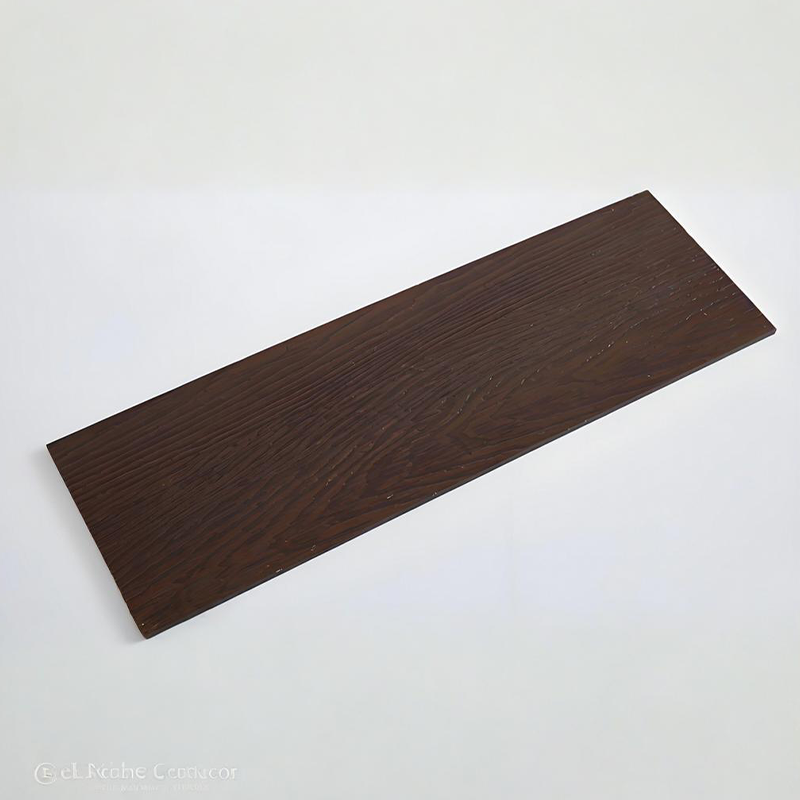
Residential Projects Homeowners increasingly choose these planks for backyard decks, patios, and pool surrounds. The combination of fire safety, low maintenance, and natural wood-grain appearance provides peace of mind without ongoing upkeep.
Commercial and Hospitality Projects Hotels, restaurants, shopping centers, and office plazas benefit from the high load capacity and consistent appearance. Reduced maintenance translates into lower operational costs and fewer disruptions.
Landscape and Public Spaces Parks, scenic walkways, and waterfront developments require materials that withstand weather extremes and heavy public use. The planks’ durability and slip resistance make them well-suited for these environments.
Bushfire-Prone and Coastal Areas In regions with strict bushfire regulations, BAL-FZ compliance offers a clear advantage. Coastal projects also benefit from the material’s resistance to salt air and moisture.
Installation Best Practices
Contractors appreciate the straightforward installation process. The planks can be cut with standard tools and fixed using conventional deck screws or clips. Because the material holds fasteners securely without splitting, installation proceeds efficiently.
Recommended practices include:
- Ensuring adequate substructure support and ventilation beneath the deck.
- Maintaining proper spacing between planks for drainage and thermal movement.
- Using corrosion-resistant fasteners suitable for outdoor exposure.
- Following manufacturer guidelines for edge distances and fixing patterns.
Proper installation maximizes the material’s long service life and performance.
Maintenance and Lifecycle Cost Considerations
One of the strongest advantages is minimal maintenance. Unlike timber, there is no requirement for annual sealing or staining. Routine cleaning with water and mild detergent is usually sufficient to maintain appearance.
Over a 25-year period, the reduced maintenance and replacement frequency often result in lower total ownership costs compared with timber or many WPC systems, despite a potentially higher initial material cost.
Compliance with International Standards
These planks meet or exceed multiple international standards for fire performance, durability, and environmental safety. The Class A1 non-combustibility rating and BAL-FZ compliance support projects in regulated markets. Being 100% asbestos-free also aligns with modern health and environmental requirements in commercial and public buildings.
Decision Factors When Specifying Outdoor Decking
When evaluating options, project teams should consider:
- Local fire regulations and required ratings
- Expected foot traffic and load requirements
- Climate conditions (humidity, temperature extremes, coastal exposure)
- Maintenance budget and access for ongoing care
- Desired aesthetic and color stability
- Total lifecycle cost over 20–30 years
Fiber cement decking planks score highly across most of these criteria, particularly where fire safety and low maintenance are non-negotiable.
Conclusion
New Element’s Decking Plank is engineered to meet these exact performance, safety, and practicality requirements for modern outdoor projects. Explore the full specifications and options at New Element Group.