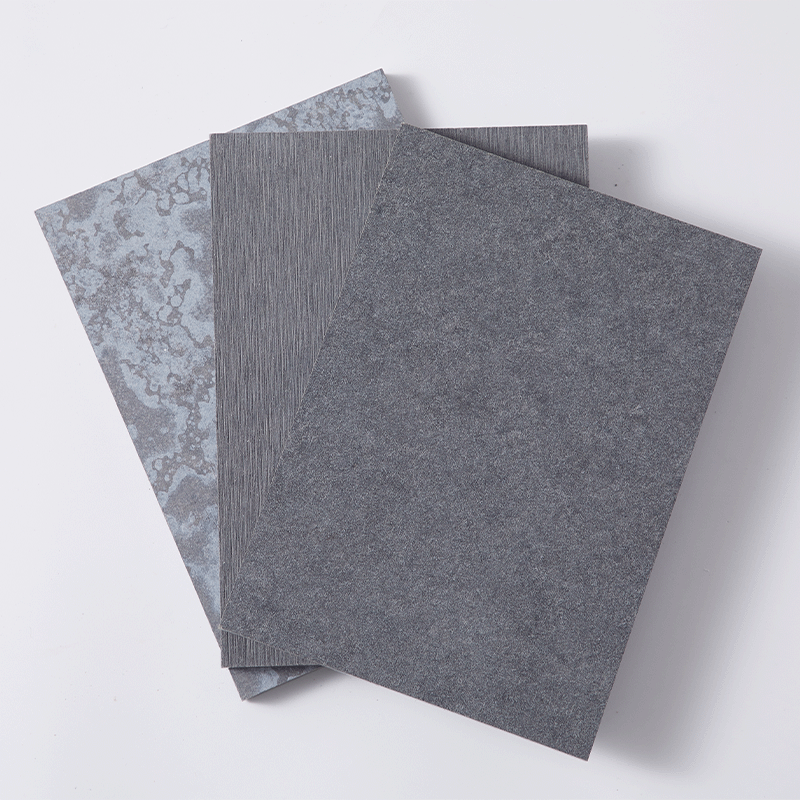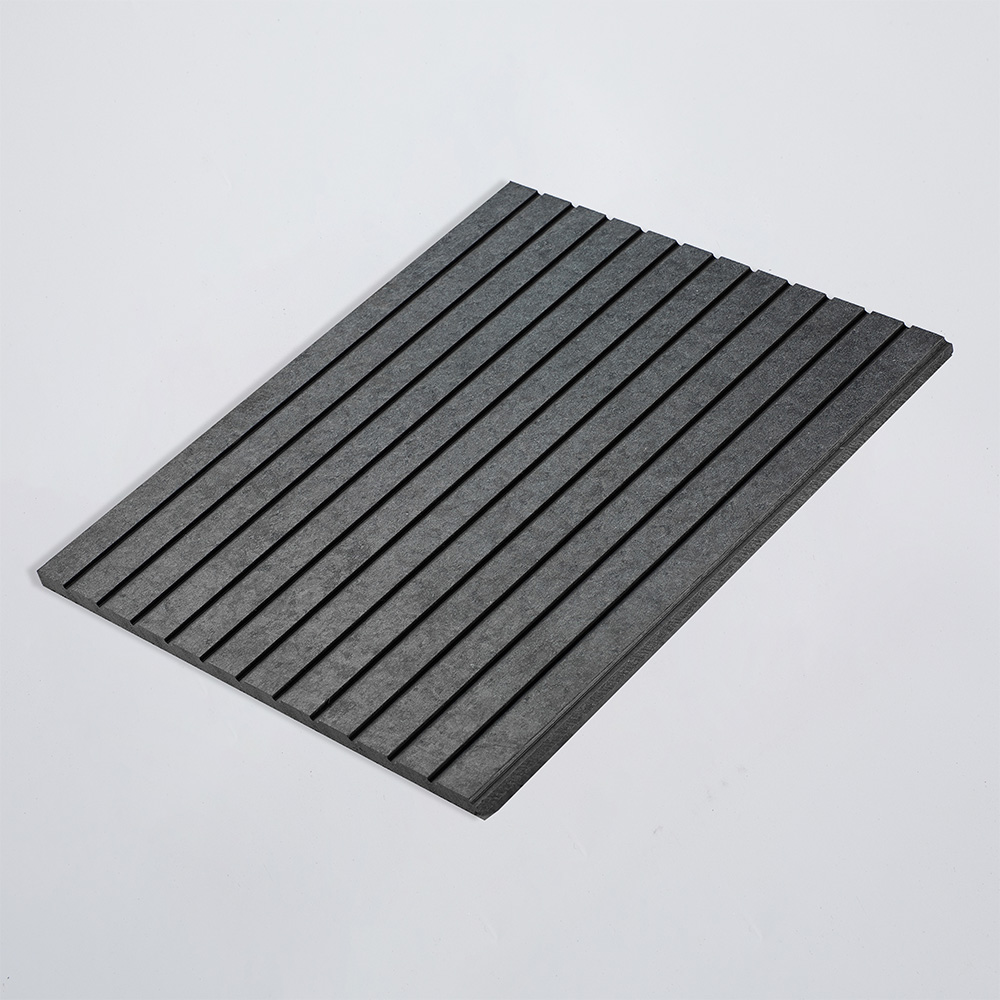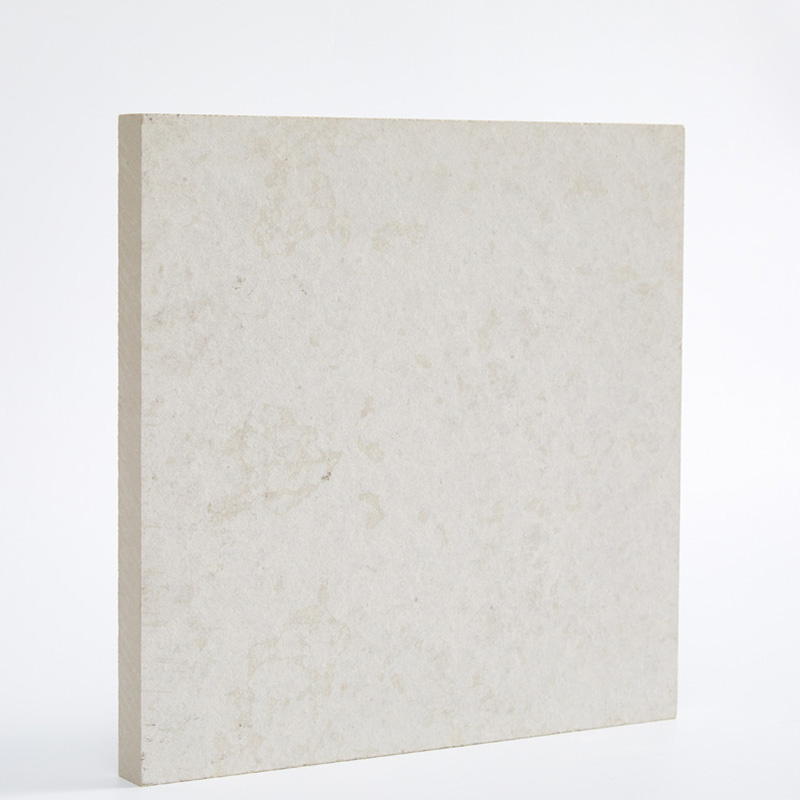
When selecting a calcium silicate board for a fire protection project, it is not enough to look at the board material alone. The final performance also depends on thickness, board layers, joints, framing, fixings and service openings. A suitable board should therefore be evaluated as part of the complete system.
What Does Calcium Silicate Board Fire Rating Mean
The term calcium silicate board fire rating may describe material resistance, reaction to fire or the performance of a complete construction assembly. These are related but different forms of information. A fire-resistant board does not automatically give every wall, ceiling or enclosure the same fire performance.
Before selecting a board, the project team should confirm the protected element, the required system performance, the board specification, the installation method and the technical documents required for approval.
Key Factors That Affect Fire Protection Performance
Board Thickness and Layers
The required thickness depends on the type of system and the element being protected. The number of layers, board orientation and joint arrangement may also affect the construction. Thickness should therefore be specified together with the complete system detail rather than selected as an isolated number.
Joints and Edge Details
Joints, corners and perimeter connections must maintain the continuity of the protective layer. The design should cover board-to-board joints, internal and external corners, transitions and board edges around doors, ducts and service openings.
Framing and Fixings
The supporting frame carries the boards and the fixings keep them in position. Frame spacing, screw type, fixing spacing, edge distance and board layer sequence should match the proposed system. Changing these details without technical confirmation can create uncertainty in the finished assembly.
Service Penetrations
Pipes, ducts, cable trays, lighting and access panels can interrupt a fire-rated wall or ceiling. Each opening should be coordinated in advance, including its framing, sealing and protection detail.
Common Applications for Fire Rated Calcium Silicate Boards
Depending on the product and system design, calcium silicate boards may be used in fire partition systems, fire ceilings, fire door constructions, structural steel protection, ductwork and E and M enclosures. Each application has different design requirements.
For example, a fire partition requires coordination between the board, frame, joints and perimeter connections. A fire ceiling must also accommodate suspension systems, lighting and ventilation. A ductwork or E and M enclosure needs carefully coordinated supports, access doors and service penetrations.
How to Select a Calcium Silicate Board
A practical selection process should begin with the project requirement rather than the product name. Contractors and specifiers should confirm:
- What element or service needs protection
- Whether the requirement applies to the material or the complete system
- Board thickness, size and layer arrangement
- Frame, fixing and joint details
- Openings for pipes, ducts, cables or access panels
- Available technical data and installation guidance
This approach gives the project team a clearer basis for comparing suppliers and reduces the risk of selecting a board that does not match the intended construction.
Protectpan for Fire Protection Applications
New Element’s Protectpan calcium silicate board is positioned for fire protection-related applications, including fire partitions, fire doors, E and M enclosures, structural steel protection, ductwork, fire ceilings, fire dampers and tunnel protection.
The final specification should still be confirmed according to the project requirements. The design team should review the board specification, system construction, installation method and supporting documentation before ordering.
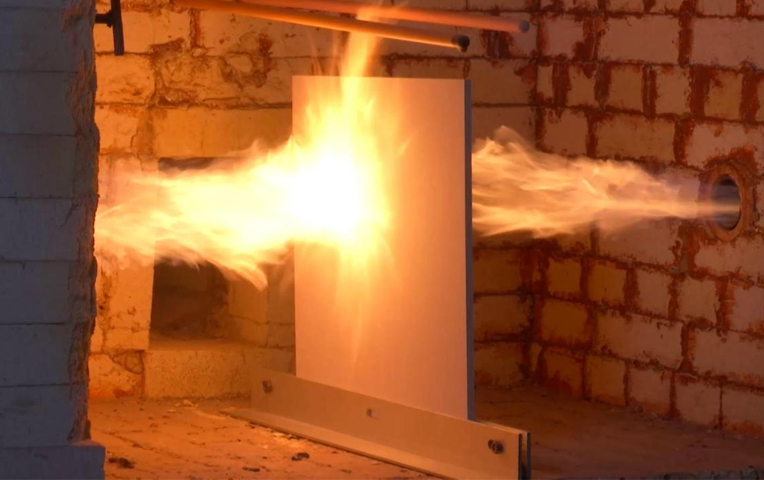
Fire Protection Board Selection Checklist
- Is the project specifying a board or a complete fire protection system?
- What building element or service requires protection?
- Are the board thickness, layers and joints defined?
- Does the fixing method match the proposed system?
- How will openings and access panels be protected?
- Has the supplier provided the technical information needed for approval?
A calcium silicate board should be assessed by how reliably it fits the intended assembly. Product selection, system design and installation quality all contribute to the final fire protection result.