The Role of Fire-Rated Boards in Modern Building Design
Passive fire protection through effective compartmentation remains one of the most critical aspects of building safety in commercial, institutional, healthcare, and multi-residential projects. Architects, fire safety engineers, and contractors must carefully select materials that can maintain structural integrity when exposed to fire while also meeting practical requirements for installation, acoustics, moisture resistance, and long-term durability.
In recent years, building codes across many countries have placed greater emphasis on passive fire protection systems. Fire-rated boards used for partitions and suspended ceilings play a vital role in containing flames and smoke, giving occupants valuable time to evacuate safely and reducing overall property damage. Beyond basic fire performance, these boards are increasingly expected to deliver additional benefits such as thermal insulation, moisture resistance, acoustic separation, and ease of installation in fast-track construction projects.
Limitations of Conventional Partition and Ceiling Materials
Traditional gypsum boards, while widely used, can lose structural integrity relatively quickly when exposed to fire and moisture. In humid environments such as bathrooms, kitchens, hospitals, laboratories, or basements, gypsum-based systems often suffer from swelling, mold growth, and reduced performance over time. Some lightweight alternatives offer good workability and low cost but fall short in fire endurance ratings or long-term dimensional stability, especially in high-traffic commercial environments or retrofit projects where existing conditions are unpredictable.
These recurring limitations have driven architects and specifiers to seek more robust, inorganic solutions that combine reliable fire resistance with practical installation characteristics and long-term durability without frequent maintenance or replacement.
Performance Benefits of Fire-Rated Fiber Cement Boards
Fire-rated fiber cement boards for interior partitions and ceilings offer a balanced set of performance characteristics that address many of the shortcomings of conventional materials:
Reliable Fire Performance
These boards are non-combustible and tested to international standards such as AS 1530 and BS 476. They help maintain compartment integrity during a fire, supporting the overall passive fire protection strategy of the building.
Moisture and Mold Resistance
With low moisture movement and controlled moisture content, these boards perform well in humid or semi-exposed interior environments where gypsum products may degrade. This makes them particularly suitable for hospitals, schools, hotels, and wet-area partitions.
Workability and Installation Efficiency
The boards are relatively lightweight for their strength and can be cut and installed using standard tools and metal stud framing systems. This reduces labor time and makes them suitable for both new construction and renovation projects with tight schedules.
Additional Functional Benefits
Beyond fire and moisture performance, these boards contribute to thermal insulation and can support acoustic separation requirements in office, education, and healthcare projects.
Technical Specifications
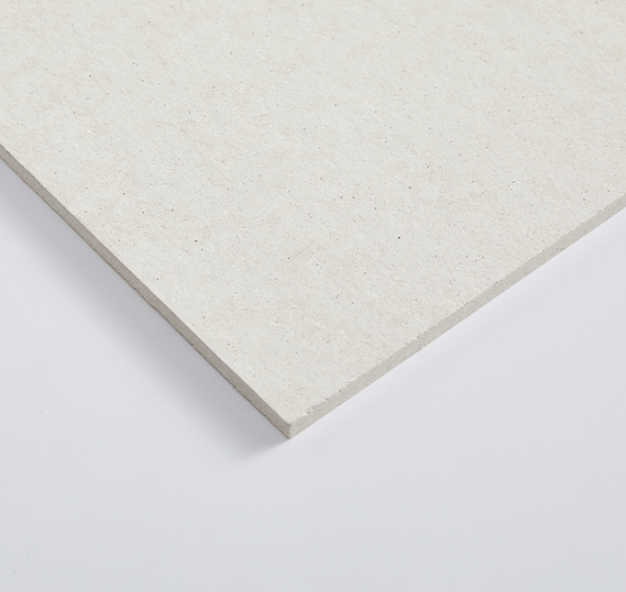
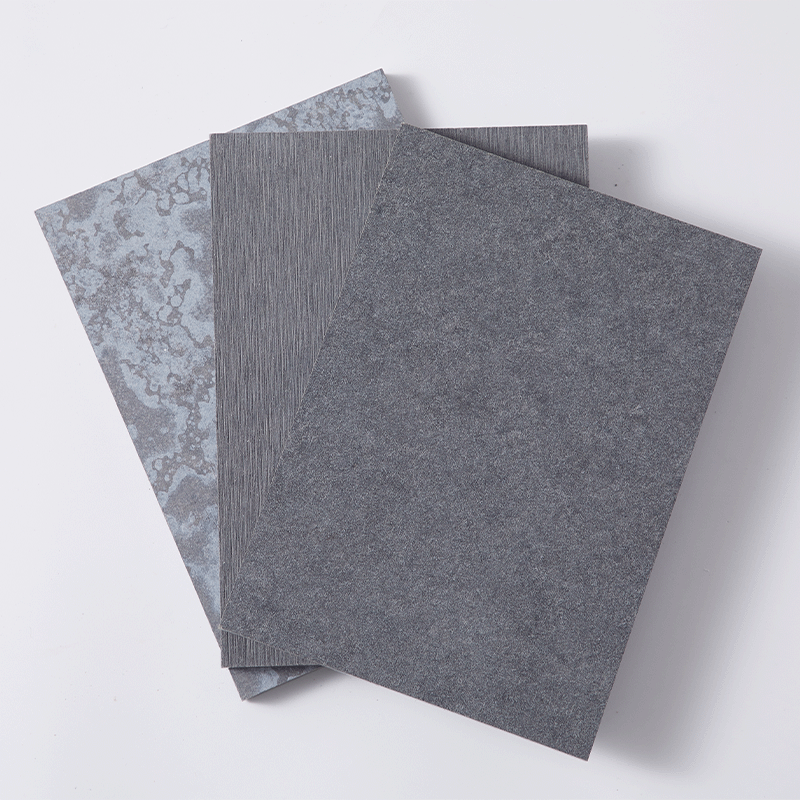
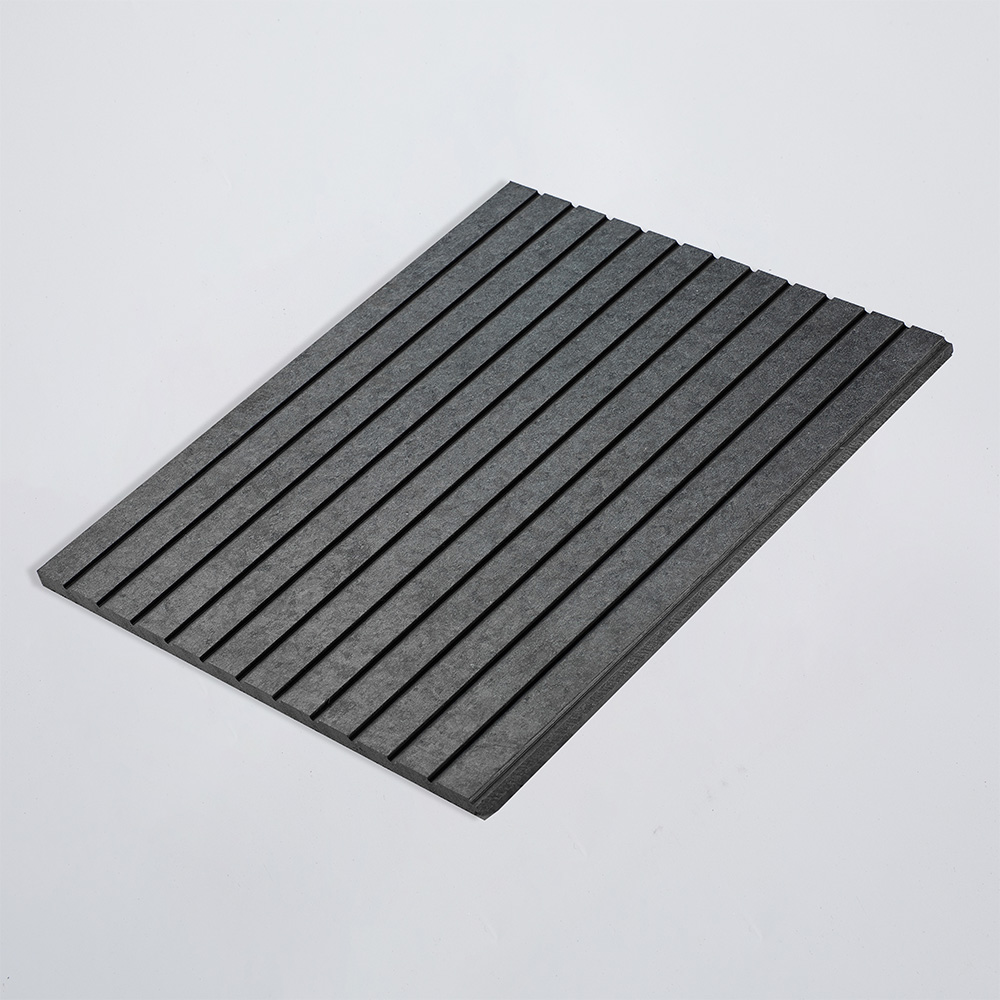
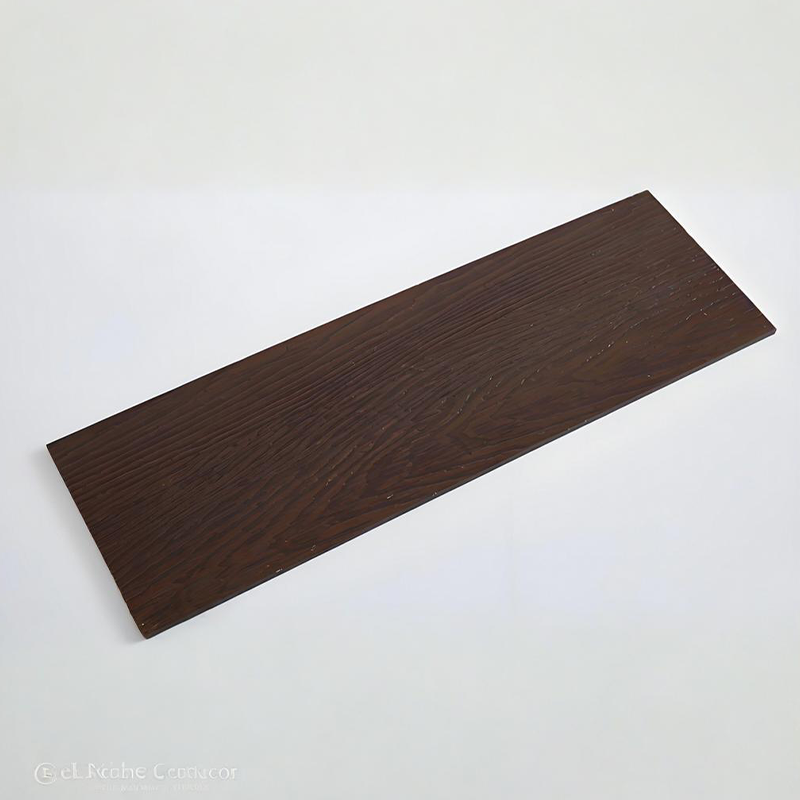
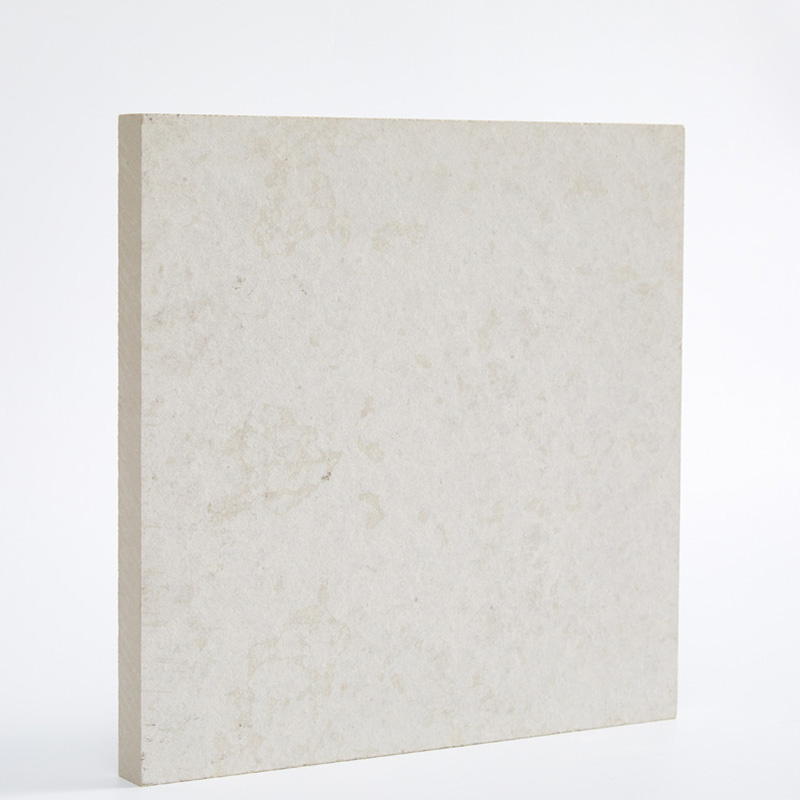
Starpan fire-rated fiber cement board — suitable for demanding commercial interior applications.
| Property | Typical Value | Notes / Standards |
|---|---|---|
| Thickness Range | 8 – 27.5 mm (custom available) | Wide range for different applications |
| Standard Panel Size | 2440 / 3050 mm × 1220 mm | — |
| Density | 1.05 – 1.20 g/cm³ | Medium density |
| Bending Strength (oven dry) | ≥ 10 MPa | Good structural performance |
| Moisture Movement | ≤ 0.25% | Excellent dimensional stability |
| Thermal Conductivity | ≤ 0.20 W/(m·K) | Thermal insulation benefit |
| Non-combustibility | AS 1530 / BS 476 | Fire-rated performance |
| Asbestos Content | 100% asbestos-free | Health and environmental compliance |
Typical Applications Across Different Project Types
Office and Commercial Buildings
In office fit-outs and commercial buildings, fire-rated fiber cement boards are commonly specified for corridor partitions, meeting room walls, and suspended ceilings. They help achieve required fire compartmentation while providing a stable, paintable surface that meets modern aesthetic expectations.
Healthcare and Education Facilities
Hospitals, clinics, laboratories, and schools have strict requirements for fire safety, hygiene, and durability. These boards perform well in wet areas and high-traffic zones while supporting compliance with healthcare and educational building standards.
Hospitality and Residential Projects
Hotels, serviced apartments, and multi-residential buildings benefit from the combination of fire performance and moisture resistance, especially in bathrooms, service corridors, and back-of-house areas where humidity levels are higher.
Industrial and Retrofit Applications
In industrial buildings and renovation projects, the boards offer good workability and can be used to upgrade existing partitions to meet current fire safety codes without major structural changes.
Installation Considerations and Best Practices
These boards are designed for straightforward installation using conventional metal stud partition systems and standard ceiling suspension frameworks. Their relatively light weight reduces handling effort compared with heavier alternatives, and they can be cut cleanly with appropriate tools on site.
Key best practices include: following approved fire-rated system details and penetration sealing requirements, maintaining correct fixing patterns and edge distances according to the required fire rating, ensuring proper alignment and support of the framing system, and using compatible jointing compounds and finishing systems for the intended surface appearance.
Maintenance and Long-Term Performance
Once installed and properly finished, these boards require minimal ongoing maintenance. Their inorganic composition provides good resistance to mold growth and degradation in humid interior environments. In fire-rated assemblies, regular inspection of the complete system (including seals, penetrations, and fixings) remains important to maintain compliance, but the boards themselves offer stable, long-term performance with low lifecycle cost.
Compliance and Standards Considerations
Fire-rated fiber cement boards help projects meet the requirements of various international and national building codes. Tested non-combustibility performance supports passive fire protection strategies. Compliance with low radioactivity and asbestos-free standards also aligns with modern environmental and occupational health expectations in commercial and public building projects.
How to Evaluate and Specify Fire-Rated Boards
When selecting materials for interior partitions and ceilings, project teams should consider several key factors: the required fire resistance rating and compartmentation strategy, environmental conditions such as humidity levels, acoustic performance requirements, installation timeline and labor availability, compatibility with chosen framing and finishing systems, and total cost of ownership including maintenance and potential future upgrades.
Conclusion
New Element’s Starpan delivers the fire-rated performance, dimensional stability, moisture resistance, and installation efficiency required for modern interior partition and ceiling applications across commercial, healthcare, education, and hospitality projects. Find complete specifications, technical support, and system guidance at New Element Group.