When a fire breaks out, the first minutes decide how far it spreads and how much time people have to escape. Walls, ceilings, ducts and structural steel that hold back flames and heat buy that time, and in most modern buildings they rely on fire rated board. Yet the term covers very different materials, and a board’s label alone says little about how a finished wall will perform. This guide explains what a fire rated board is, how fire resistance ratings work, how the main board types compare, and why calcium silicate is a leading choice for demanding projects.
What Is a Fire Rated Board?
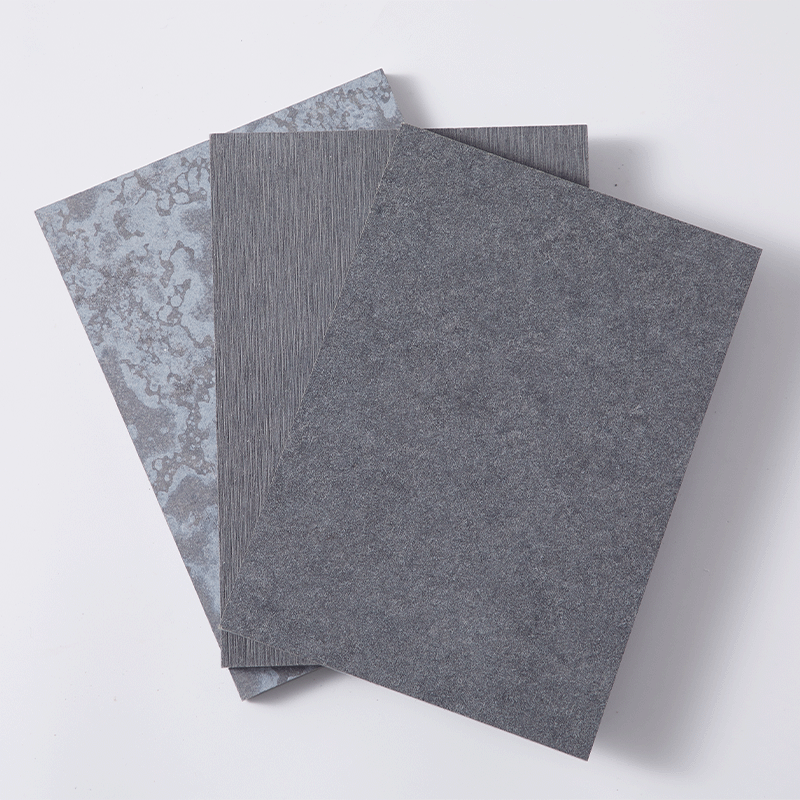
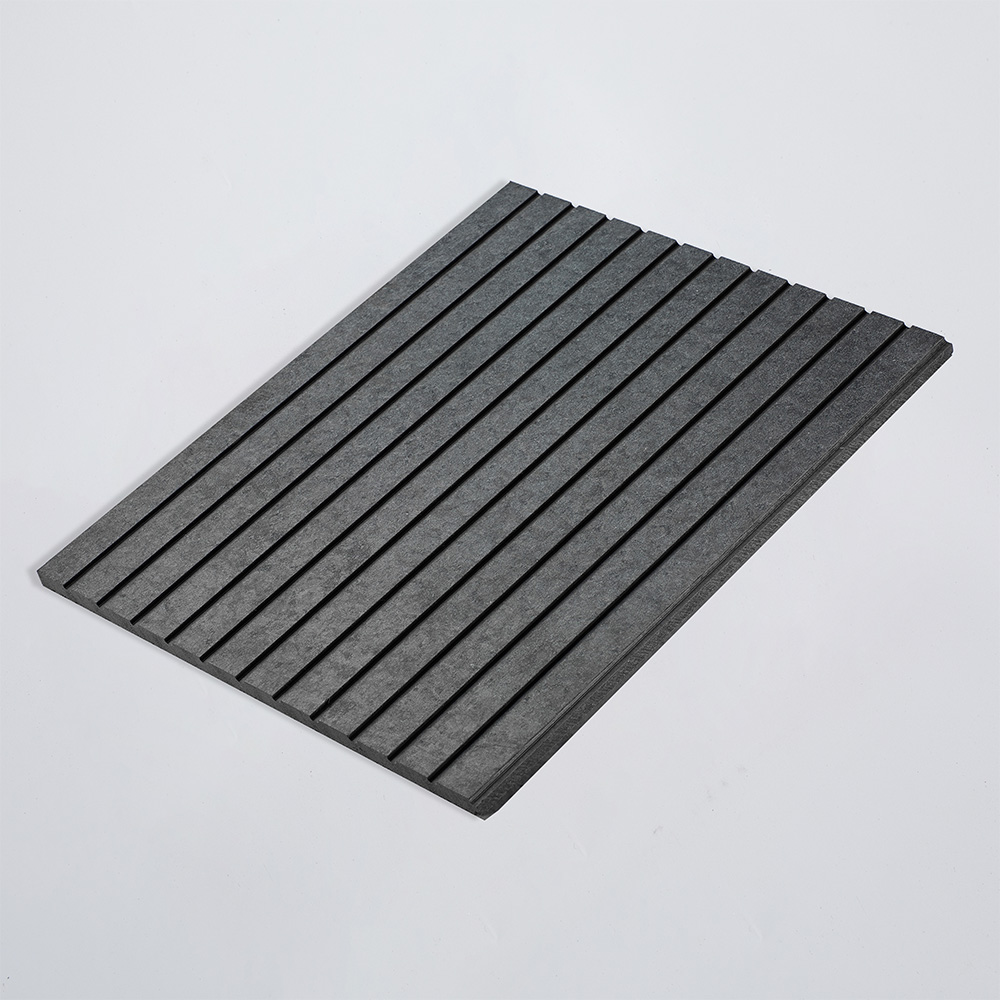
A fire rated board is a building board used in systems that are designed and tested to resist fire for a specified time. It forms the lining of fire-resistant partitions, ceilings, shafts, duct enclosures and steel protection.
Two ideas are often confused here:
Reaction to fire describes how the material itself behaves when exposed to flame: whether it ignites, spreads flame or produces smoke. A board that does not contribute to a fire is described as non-combustible. Tests such as ISO 1182 and the EN 13501-1 classification (A1, A2, B and so on) cover this property.
Fire resistance describes how long a complete construction, such as a wall, ceiling or enclosure, keeps a fire from passing through it. This is expressed in minutes or hours.
A non-combustible board does not automatically give a wall a 2-hour rating. The rating depends on the board thickness, number of layers, framing, insulation, joints and fixings, all tested together. In other words, boards are non-combustible; systems are fire rated.
Understanding Fire Resistance Ratings
A fire resistance rating states how long a building element continues to perform under a standard fire test. During the test, a full-size specimen is exposed on one side to a furnace that follows a standard time-temperature curve, and it is judged against up to three criteria:
Load-bearing capacity (R): the element continues to carry its design load without collapse.
Integrity (E): the element prevents flames and hot gases from passing through cracks or openings.
Insulation (I): the unexposed face stays below a set temperature rise. Under EN 1363-1 this is an average rise of 140°C, or 180°C at any single point, so materials behind the wall do not ignite.
Under the European system, results are written as a combination of these letters and the minutes achieved, such as EI 60 for a non-loadbearing partition that maintains integrity and insulation for 60 minutes. European classification periods for partitions range from 15 to 240 minutes. In North America, ASTM E119 reports ratings in hours, while the UK still uses BS 476 Parts 20 to 22 alongside EN standards. Common requirements are 30, 60, 90, 120 and 240 minutes, depending on building height, occupancy and the role of the element.
Because a fire resistance rating belongs to the tested construction, a board supplier should be able to provide test reports for complete systems, not just data for the board.
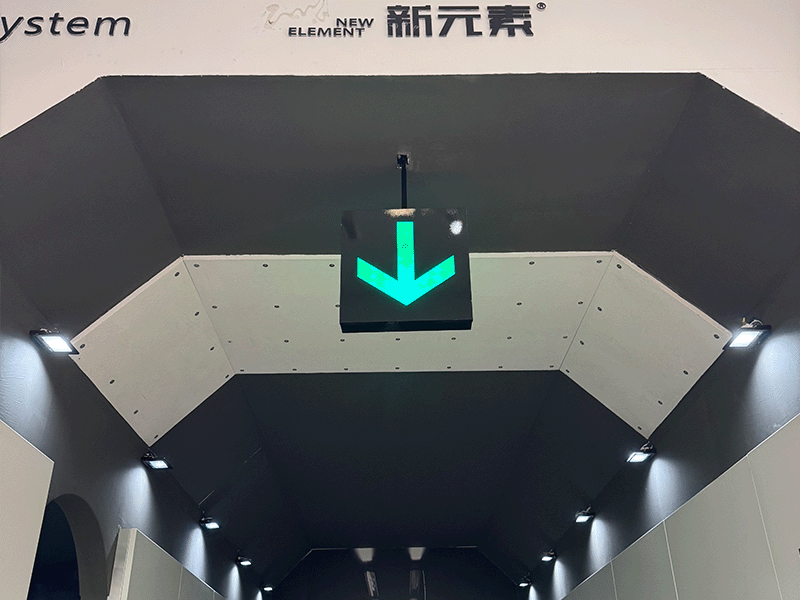
Fire-rated board protecting a tunnel lining
Common Types of Fire Rated Board
Gypsum Fire Board
Fire-resistant gypsum board, often called Type X, is the most widely used lining in dry construction. It is inexpensive, light and quick to install. Gypsum contains chemically bound water, and as it heats, this water is released in a process called calcination that absorbs large amounts of heat and keeps the unexposed side cool for a period. Glass fibers are added to fire grades to help hold the core together.
Fiber Cement Board
Fiber cement board combines cement, silica and cellulose fibers. It is non-combustible, strong and resistant to moisture and impact, which makes it a durable lining for corridors, wet areas and high-traffic spaces. New Element’s Starpan, for example, is a non-combustible, fire-rated fiber cement board for partitions and ceilings, tested to AS 1530 and BS 476. Compared with gypsum, fiber cement is far more tolerant of moisture and knocks, though it is heavier and harder to cut.
Calcium Silicate Board
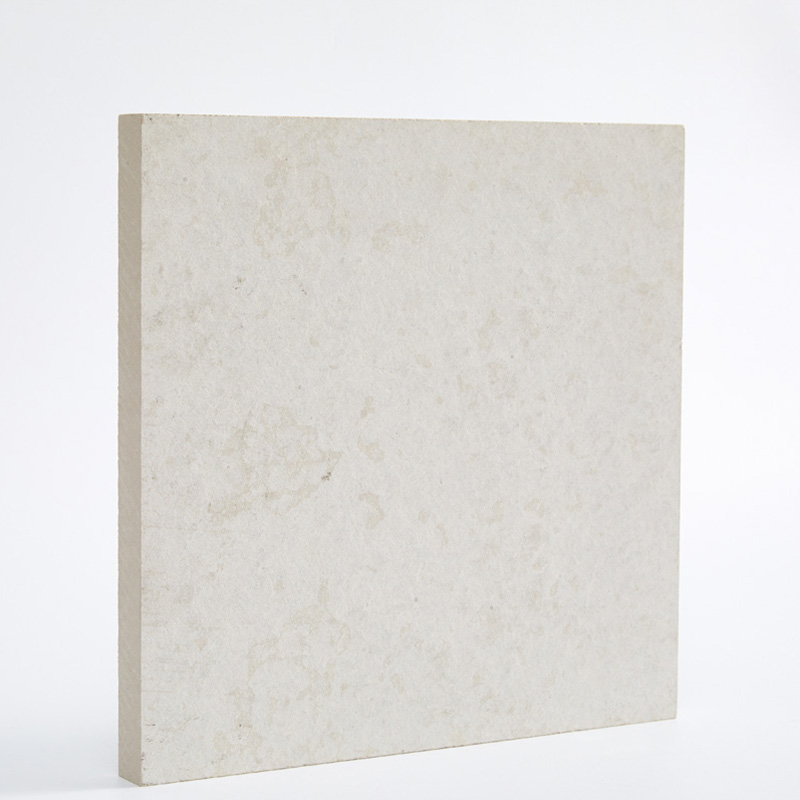
Calcium silicate board is made from silica, lime and reinforcing fibers, cured under high-pressure steam in an autoclave to form crystalline calcium silicate hydrates. It is non-combustible, lightweight for its strength, dimensionally stable and resistant to moisture. These properties make it the material of choice for heavy-duty passive fire protection, including steel protection, duct enclosures, cable and service shafts and tunnels.
Magnesium Oxide Board
Magnesium oxide (MgO) board is non-combustible and lightweight. However, many MgO boards use a magnesium chloride binder that can absorb moisture from the air. In Denmark, boards of this type were linked to salty water leaking from walls, corrosion of metal components and damage to timber framing, and they have been banned from the Danish market since 2015. Specifiers should check the binder type and exposure conditions carefully.
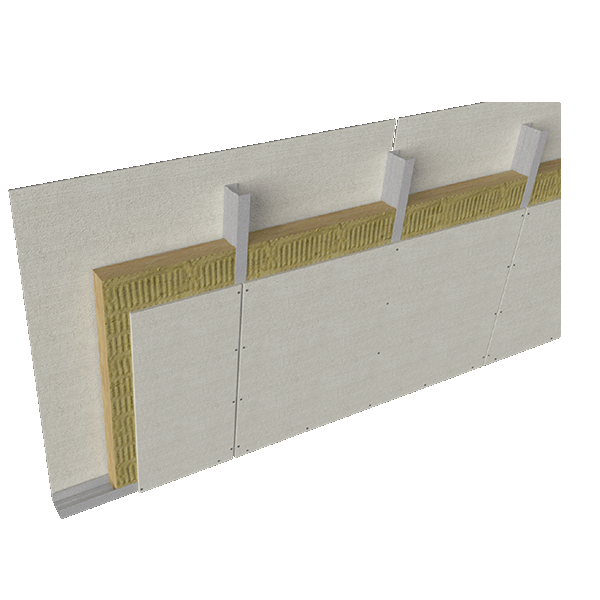
Fire partition system using fire-rated board
Calcium Silicate Board vs Gypsum Board
Both boards appear in fire-rated walls and ceilings, but they protect in different ways and suit different conditions.
Fire mechanism. Gypsum’s fire protection relies mainly on releasing its bound water. Research shows that this dehydration also causes large thermal shrinkage and internal cracking, and that heat passing through these cracks raises the temperature on the unexposed side. Once the water is gone, the core has little reserve left. Calcium silicate works differently. Its crystalline structure is formed at high temperature and pressure, and studies on calcium silicate hydrates show that well-crystallized phases such as xonotlite remain stable up to around 800 to 1000°C with minimal shrinkage. This allows calcium silicate boards to keep insulating and to hold their shape far longer at high temperatures.
Moisture. Gypsum loses strength when wet and is usually limited to dry interiors unless specially treated. Calcium silicate tolerates humidity and occasional wetting, so it can be used in plant rooms, car parks, kitchens, tunnels and semi-exposed areas.
Strength and durability. Calcium silicate boards are harder and more impact-resistant, and they can be fixed and finished without a paper facing. Gypsum boards have a combustible paper surface and dent more easily.
Cost and application. Gypsum remains the economical choice for ordinary interior partitions in dry areas. Calcium silicate is the better investment where higher ratings, thinner build-ups, moisture, mechanical damage or extreme temperatures are involved.
For a standard office partition, gypsum may be sufficient. For structural steel, duct enclosures, electrical rooms or tunnels, calcium silicate is the more reliable fire rated board.
Protectpan: Calcium Silicate Fire Rated Board
Protectpan is New Element’s low-density professional calcium silicate fire board, developed for passive fire protection systems.
Key data
- Sizes: 2440 × 1220 mm and 3050 × 1220 mm
- Thickness: 9, 10, 12, 15, 24 and 27.5 mm
- Temperature resistance: up to 1200°C
- Standards: meets ISO 1182, BS 476, GB 8624-2012 and GB 28376-2012
- Properties: non-combustible, moisture resistant, dimensionally stable, easy to cut and resistant to insects
Fire protection systems
Protectpan is used across eight New Element passive fire protection systems:
Fire partition systems to divide buildings into fire compartments
Fire ceiling systems with system ratings typically from 30 to 120 minutes
E&M enclosure systems protecting electrical and mechanical services for 0.5 to 4 hours, depending on the system configuration
Structural steel protection, ductwork, fire damper and fire door systems
Tunnel protection systems to safeguard lives and infrastructure in tunnels
A notable example is the Taihu Tunnel in Jiangsu Province, the longest lakebed highway tunnel in China at 10.79 km, which opened to traffic in December 2021. About 113,000 m² of 24 mm Protectpan was installed to protect the tunnel roof from fire.
Choosing the right fire rated board starts with the rating your project requires and the conditions the system will face. Contact New Element for Protectpan system details, test documentation and technical support.
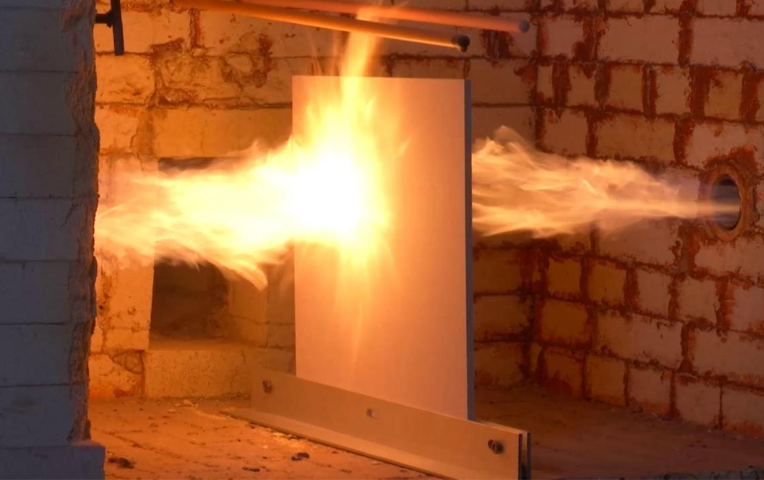
Protectpan calcium silicate fire-rated board