A fire resistance rating is never a property of a single board. It belongs to a complete construction—the lining, the framing, the joints, the fixings—tested together in a furnace. This is the first thing to understand when planning passive fire protection, and it explains why the same calcium silicate board can appear in a 30-minute partition and a 240-minute steel enclosure. This guide walks through eight fire protection systems built around New Element's Protectpan calcium silicate board, what each one does, and the ratings that apply.
Fire Ratings: What the Letters and Minutes Mean
Before comparing systems, it helps to read a fire rating correctly. European ratings combine three criteria. Load-bearing capacity (R) means the element keeps carrying its design load. Integrity (E) means flames and hot gases cannot pass through. Insulation (I) means the unexposed face stays below a set temperature rise—under EN 1363-1, an average rise of 140°C or 180°C at a single point.
A rating such as EI 60 describes a non-loadbearing partition that holds both integrity and insulation for 60 minutes. European classifications for partitions run from 15 to 240 minutes. Common project requirements sit at 30, 60, 90, 120 and 240 minutes, depending on building height, occupancy and the element's role. North American projects report ratings in hours under ASTM E119, and the UK still uses BS 476 Parts 20 to 22 alongside EN standards.
None of this describes the board alone. A non-combustible board does not automatically deliver a two-hour wall. That is why a board supplier should hand over test reports for complete systems, not just material data sheets. Fire Rated Board Guide: Types, Ratings and Applications
Fire Partition Systems
Fire partitions divide a building into compartments so a fire cannot sweep across a floor. They are the backbone of passive fire protection in offices, hotels, hospitals, schools and apartment towers, and they are usually non-loadbearing walls built from metal studs lined with fire-rated board on both faces.
With Protectpan, partition systems are designed and tested as complete assemblies. Board thickness, number of layers, stud spacing and joint treatment all affect the result, and the system rating—commonly EI 60, EI 90 or EI 120—comes from the tested build-up, not from the board alone. Service penetrations and openings for doors and glazing are detailed with the same care, because a wall is only as fire-resistant as its weakest joint.
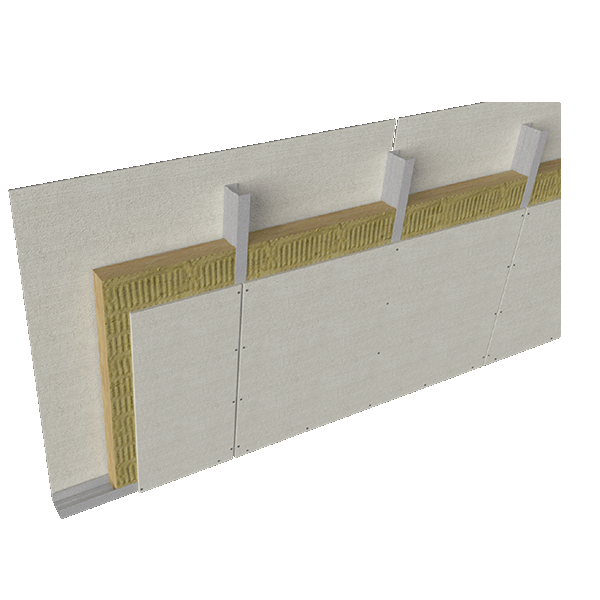
Fire partition system using Protectpan calcium silicate board
Fire Ceiling Systems
Ceilings hold back fire from the space above, protect the structure, and shield escape routes. Suspended ceiling systems built with fire-rated board typically achieve ratings from 30 to 120 minutes depending on configuration.
A fire ceiling must carry its own weight, stay in place while the fire attacks from below, and keep every joint and penetration sealed. Protectpan's dimensional stability matters here: calcium silicate board holds its shape under heat instead of sagging or cracking, which keeps the ceiling intact for the full rated period. The Importance of Calcium Silicate Boards in Ceiling Protection
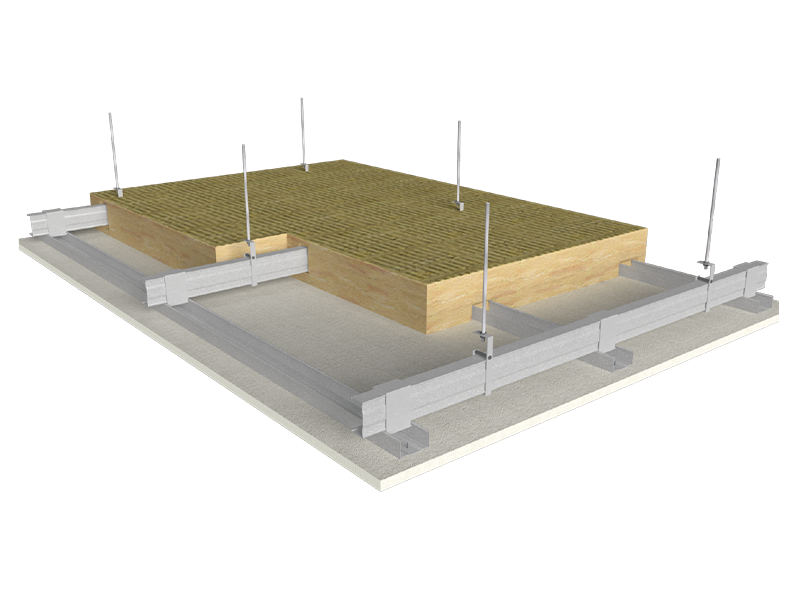
Fire ceiling system with fire-rated calcium silicate board
E&M Enclosure Systems
Electrical and mechanical services—cables, busways, pipework—are a common route for fire and smoke to travel through a building. E&M enclosures wrap these services in fire-rated construction so a fault in one area does not become a fire in another.
Protectpan E&M enclosure systems protect services for 0.5 to 4 hours, depending on the system configuration. Enclosures are often built in tight spaces around existing services, so the board needs to be cut accurately on site and fixed with corrosion-resistant fasteners. Calcium silicate's moisture tolerance is an advantage here, since plant rooms and service shafts are rarely dry spaces. Top 5 Reasons To Choose Calcium Silicate Boards for Electrical & Mechanical Systems
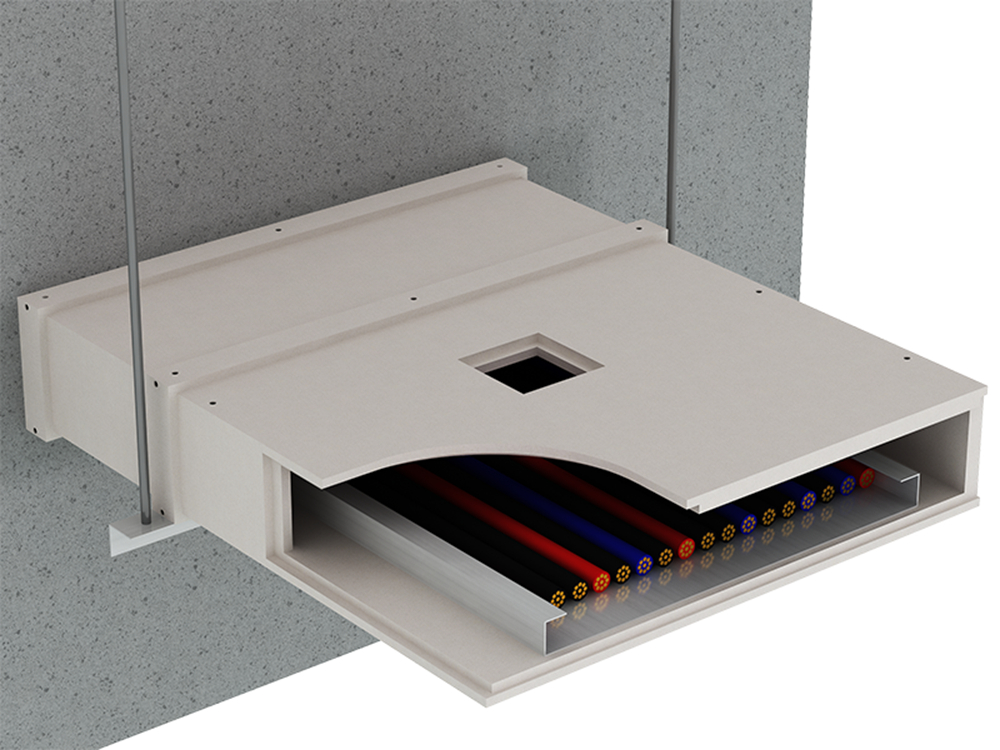
E&M enclosure system protecting electrical and mechanical services
Structural Steel Protection
Steel loses strength quickly when it reaches high temperatures, which is why structural frames need protection in fire-rated buildings. Board protection is a common solution: calcium silicate boards are fixed around columns and beams to keep the steel below its critical temperature for the required period.
Board systems are chosen when spray-applied coatings are not practical, when a clean finish is needed, or when the steel is visible and must be clad rather than coated. The protection period depends on the board thickness and the fixing arrangement, and the system is tested to deliver the rating specified in the structural design. Prevent Steel Corrosion and Fire Damage with Calcium Silicate Board Systems
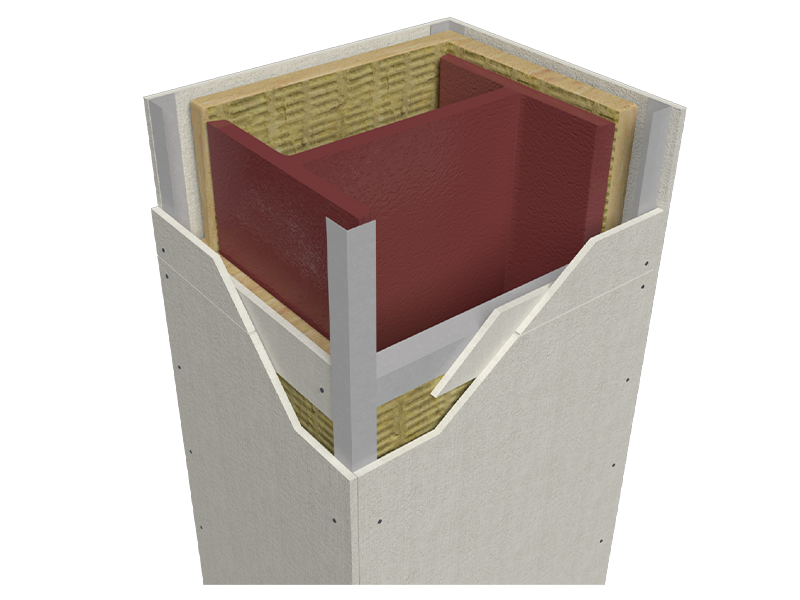
Structural steel protection system with fire-rated board
Ductwork, Fire Damper and Fire Door Systems
Ducts carry air through a building—and in a fire they can carry smoke and flames if left unprotected. Fire-rated board is used to enclose ventilation ducts, and to build the housings around fire dampers that close automatically to block the spread of fire through the duct network.
Fire doors rely on fire-rated cores or linings to hold back fire at openings in compartment walls. Protectpan appears in each of these systems: duct enclosures, fire damper housings and fire door constructions. All three are tested as complete assemblies, and all three depend on the same discipline—correct thickness, proper fixings, sealed joints. How Calcium Silicate Boards Enhance Fire Door Performance | How Calcium Silicate Boards Improve Fire Protection in Ductwork Systems
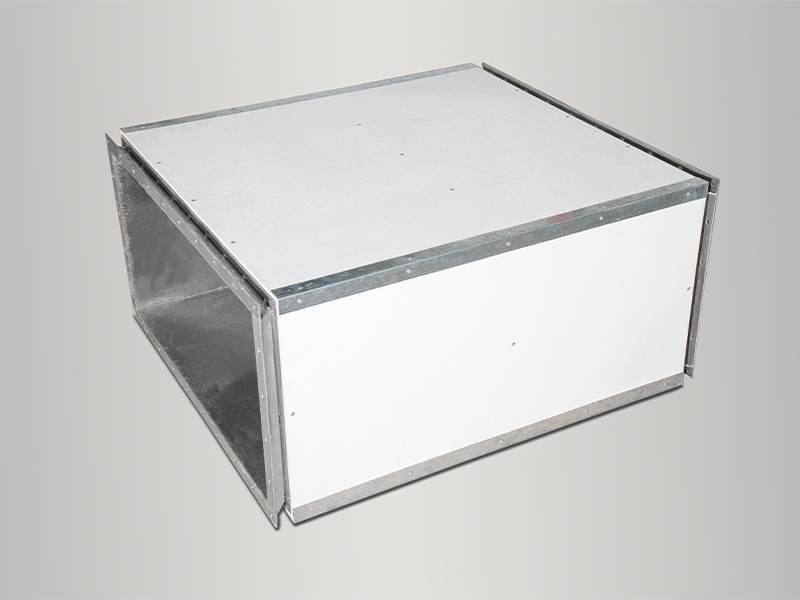
Ductwork enclosure with fire-rated board
Tunnel Protection
Tunnels concentrate fire risk: a fire in a road or rail tunnel has no escape route above ground, and the structure itself must survive intense heat. Fire-rated calcium silicate board is installed on tunnel linings and roofs to protect the concrete from spalling and collapse during a fire.
The Taihu Tunnel in Jiangsu Province is a notable example. At 10.79 km it is the longest lakebed highway tunnel in China, and when it opened in December 2021, about 113,000 m² of 24 mm Protectpan lined the tunnel roof to protect it from fire. That scale shows what a tested, producible board system can do—and why tunnel projects ask for documented performance rather than promises. Project Sharing: China Taihu Tunnel | Fireproof Tunnel Systems: Advantages of Installing Calcium Silicate Boards
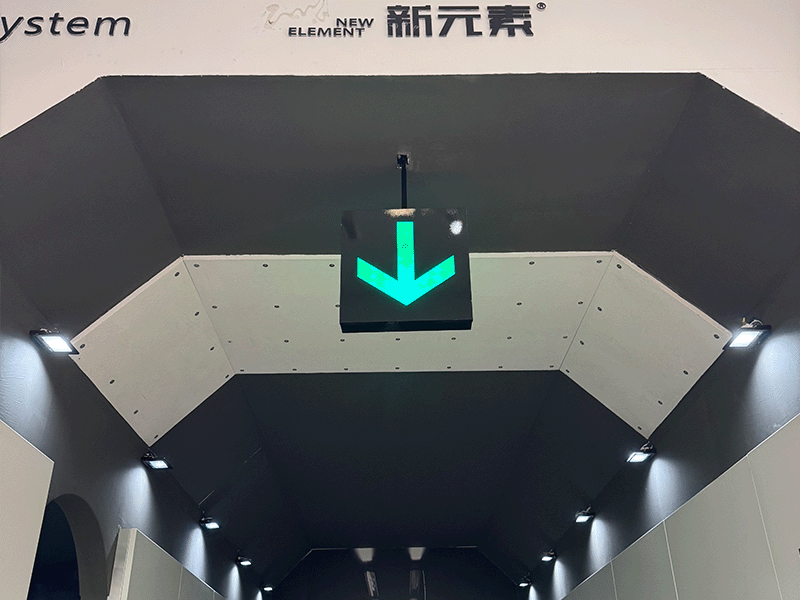
Tunnel fire protection with Protectpan calcium silicate board
Why Protectpan
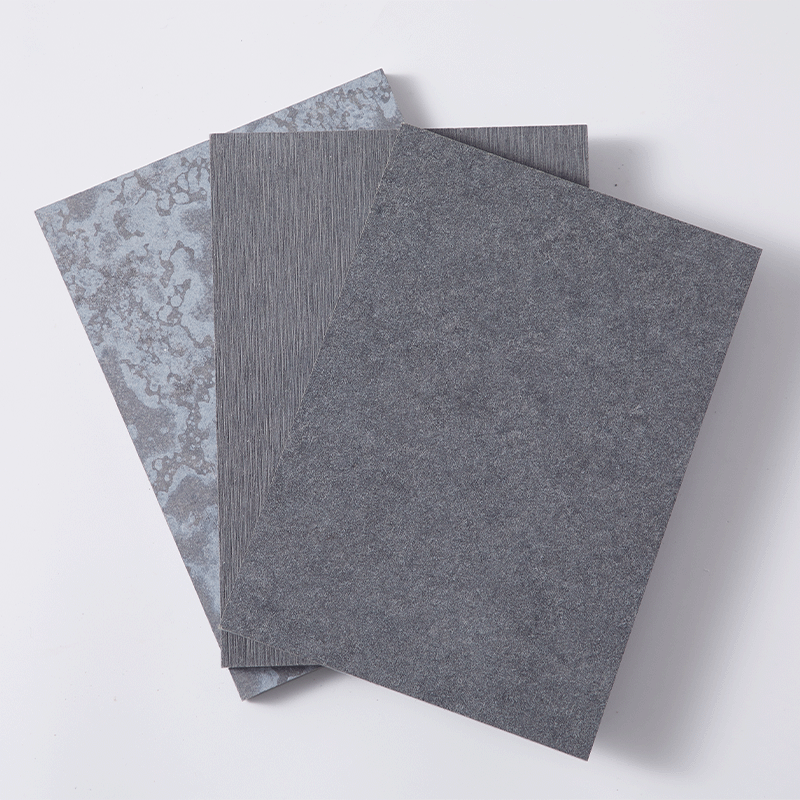
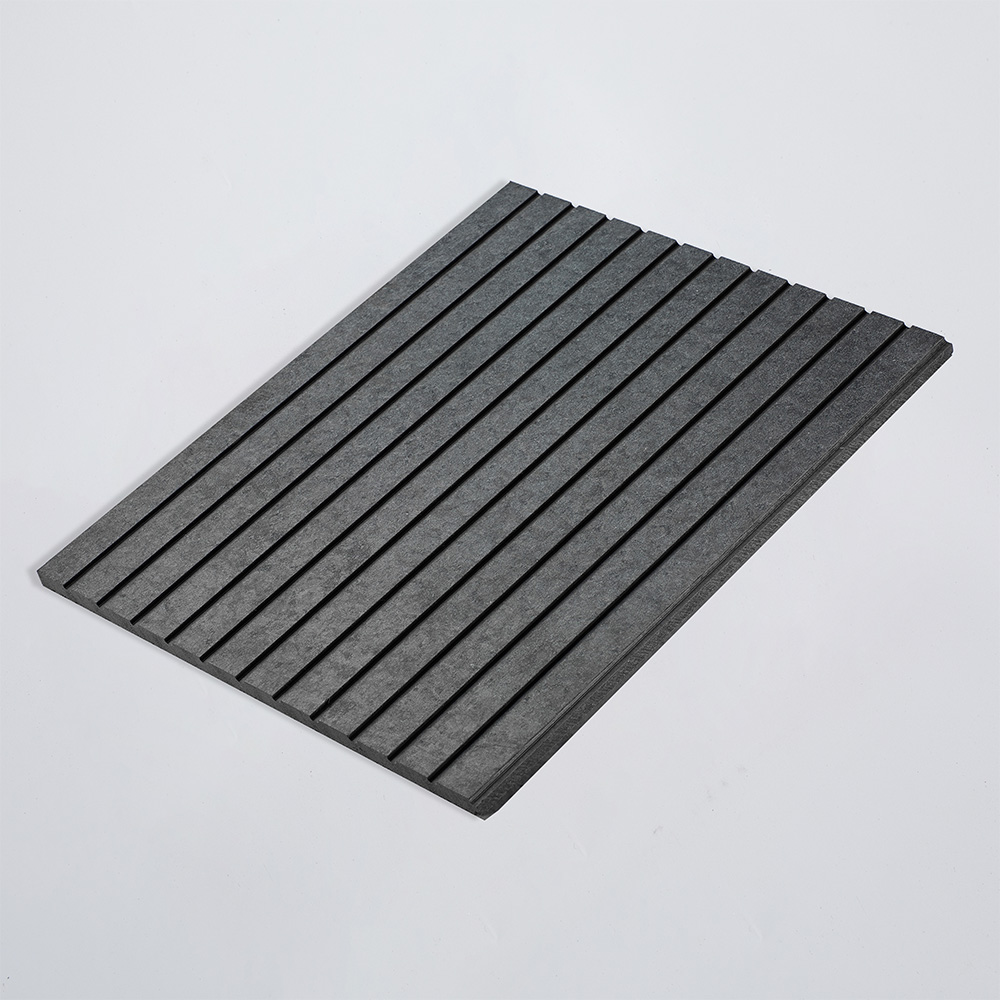
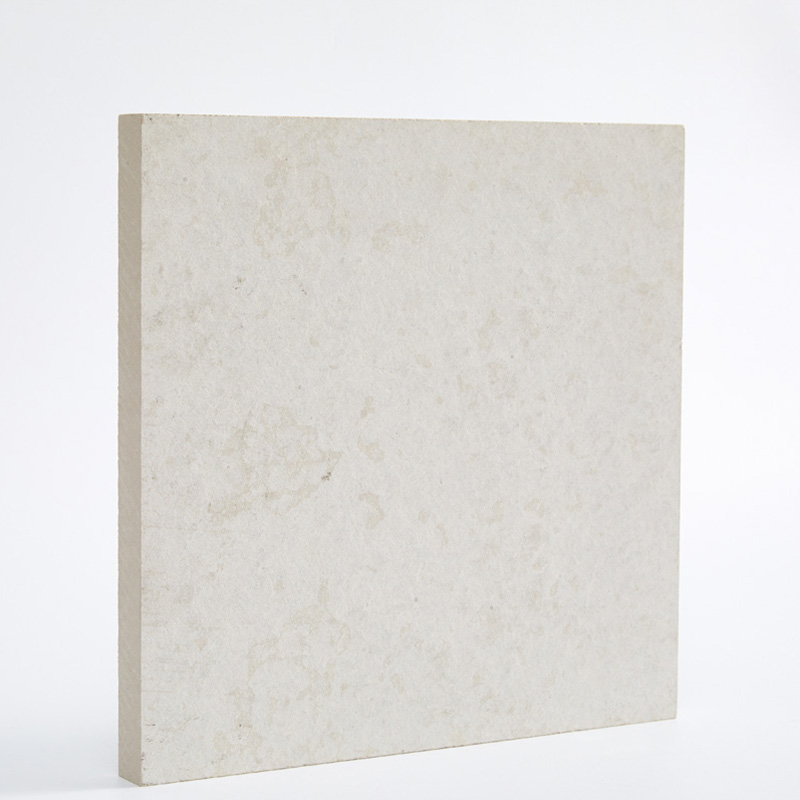
Protectpan is New Element's low-density professional calcium silicate fire board, developed specifically for passive fire protection systems. It comes in 2440 × 1220 mm and 3050 × 1220 mm sheets, in thicknesses of 9, 10, 12, 15, 24 and 27.5 mm, and it is rated for temperatures up to 1200°C.
The board meets ISO 1182, BS 476, GB 8624-2012 and GB 28376-2012, and it combines the properties that fire systems need most: non-combustibility, moisture resistance, dimensional stability, clean cutting and insect resistance. Because it is a low-density board, it keeps system weight down without compromising fire performance.
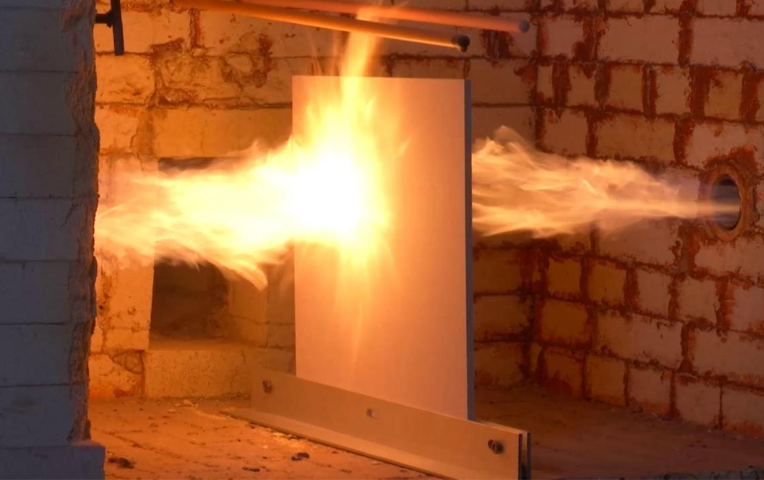
Protectpan: low-density professional calcium silicate fire board
How to Choose the Right System
Start with the rating your building code requires, then work backwards to the system. Identify the element—partition, ceiling, enclosure, steel member, duct or tunnel—and the rating that element needs in your occupancy and building height. How to Choose a Calcium Silicate Board for Fire Protection
From there, choose a tested system, confirm the board thickness and build-up, and check that the test report matches the model you intend to install. The board supplier should provide system test documentation, not just material data. Contact New Element for Protectpan system details, test documentation and technical support.