Choosing a board for interior partitions and ceilings
Interior partition and ceiling materials influence much more than the final appearance of a room. They affect construction speed, thermal comfort, fire performance, acoustic conditions, maintenance and the ability to adapt the building later.
Gypsum board is familiar in many construction systems, but some projects require a more durable board with moisture resistance, fire resistance and improved impact performance. Fiber cement board can be a strong alternative when the building needs a robust interior surface for hospitals, hotels, offices, schools, commercial buildings or residential developments.
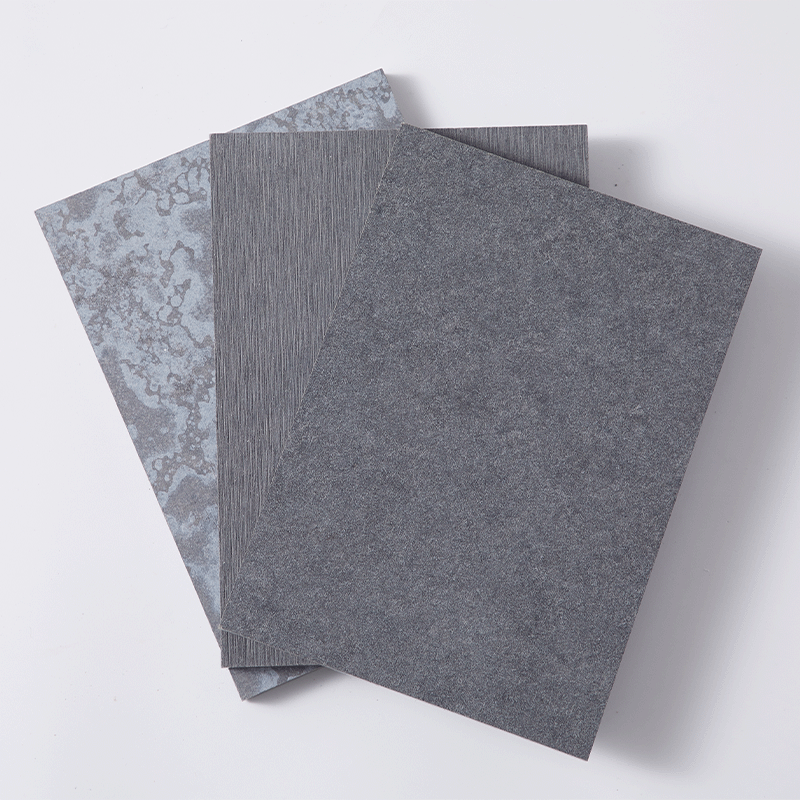
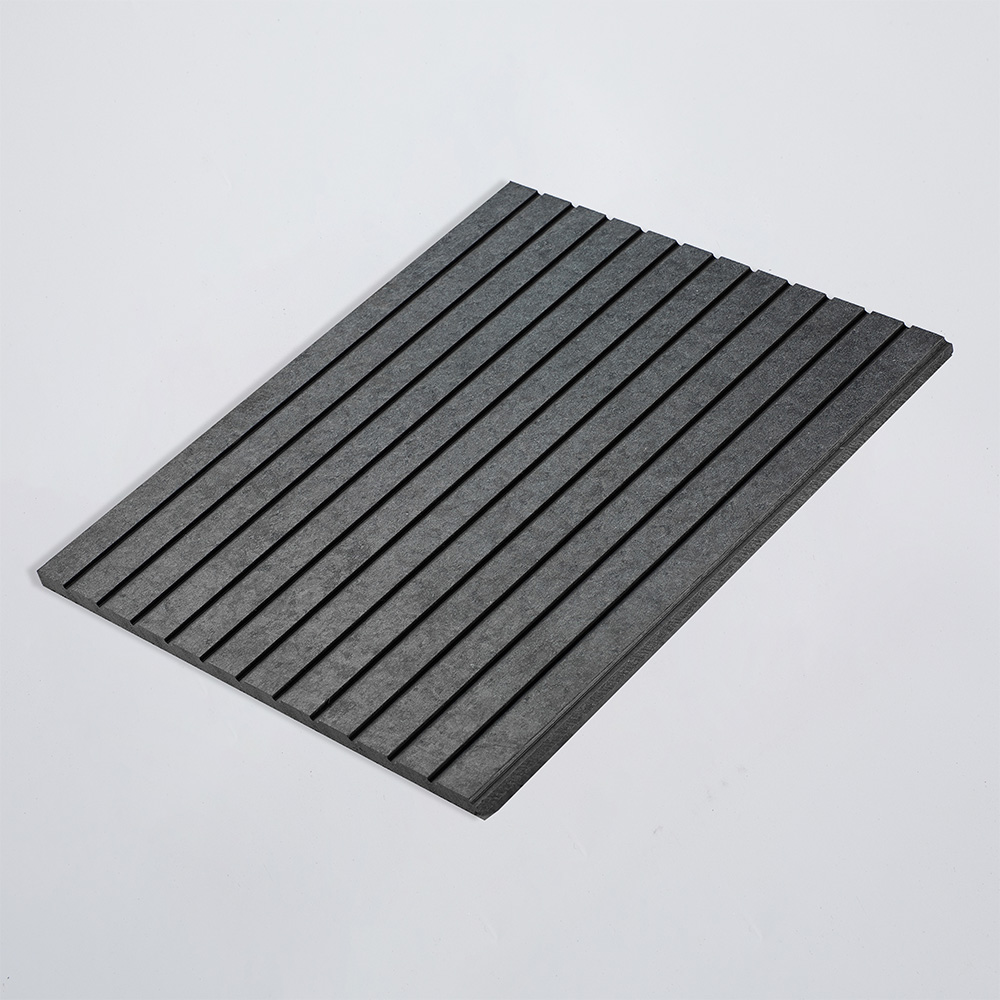
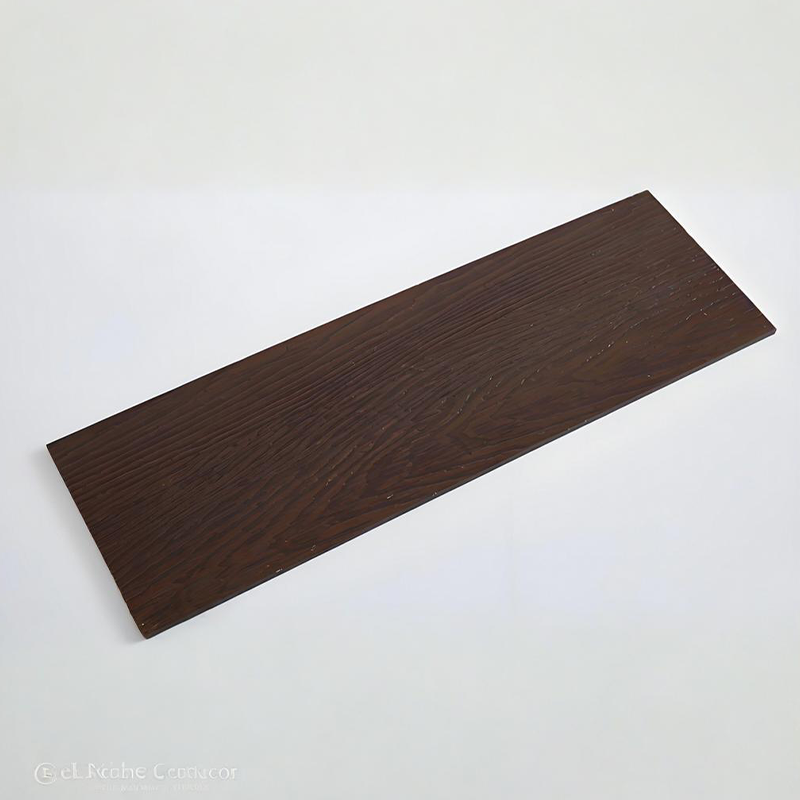
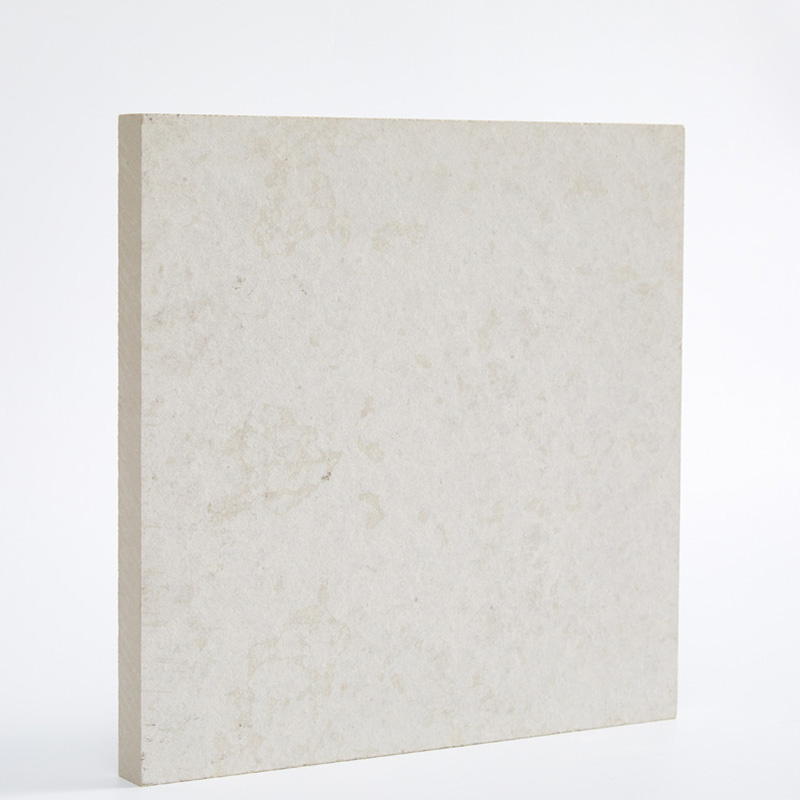
Buyerpan from New Element is designed as a multi-purpose fiber cement board for indoor ceilings and partitions. The official product page describes Buyerpan as lightweight while offering high thermal insulation performance. It is intended for projects where the board must be practical to cut and install without sacrificing basic building performance.
What is Buyerpan?
Buyerpan is an interior fiber cement board for partition walls and ceiling systems. New Element lists the following standard dimensions:
- Length: 2440 mm
- Width: 1220 mm
- Thickness: 6 mm, 8 mm, 9 mm, 10 mm, 12 mm and 15 mm
Other dimensions may be available through project discussion. This range of thicknesses allows designers and contractors to select a board according to partition construction, ceiling requirements, handling preferences and performance targets.
| Buyerpan specification | Official information |
|---|---|
| Product category | Interior partition and ceiling fiber cement board |
| Standard size | 2440 mm × 1220 mm |
| Thickness options | 6 mm, 8 mm, 9 mm, 10 mm, 12 mm and 15 mm |
| Density | 1.00-1.15 g/cm³ |
| Oven-dry bending strength | At least 9 MPa |
| Moisture movement | No more than 0.25% |
| Thermal conductivity | No more than 0.25 W/(m·k) |
| Water content | No more than 10% |
| Fire reference | BS476 |
| Asbestos content | 100% asbestos free |
Lightweight construction and easier handling
Interior construction often involves repetitive board handling. Workers may need to move large sheets through corridors, lift them to ceilings and position them on partition frames. A lighter board can reduce handling difficulty and support faster installation, particularly on projects with tight access conditions.
Buyerpan has a listed density of 1.00-1.15 g/cm³, and New Element emphasizes its lightweight design. The product page also describes the board as easy to cut and install and suitable for different positions.
This can be useful in several situations:
Hospital renovation
Existing hospitals often have restricted working hours, narrow corridors and strict cleanliness requirements. A board that can be handled and installed efficiently may help reduce disruption.
Hotel fit-outs
Hotel construction involves repeated room layouts and fast installation schedules. A practical partition board can support consistent work across many rooms.
Office remodeling
Office layouts may need to change over time. Lightweight partition materials can simplify the first installation and future modifications.
Residential interiors
Apartments and houses may require ceiling and partition materials that balance construction efficiency, fire safety and indoor comfort.
Lightweight does not mean that the board can be used without considering the supporting structure. The framing, fixing method, span and ceiling loading must still be designed for the intended application.
Thermal insulation for more comfortable interiors
Buyerpan is presented by New Element as a lightweight fiber cement board with high thermal insulation performance. The official product page lists thermal conductivity of no more than 0.25 W/(m·k).
Thermal conductivity is only one part of the final building performance. A partition or ceiling also includes framing, insulation, air gaps, fasteners, joint treatment and surface finishes. Nevertheless, a board with lower thermal conductivity can contribute to a more efficient overall assembly.
For interior partitions, thermal performance may be useful where rooms need to maintain different temperatures. Examples include:
- Hotel rooms separated from corridors
- Office meeting rooms
- Hospital departments
- Residential bedrooms
- Service rooms next to occupied spaces
- Interior partitions around equipment areas
In ceiling systems, the board can also be combined with insulation above the ceiling to support more stable indoor temperatures.
Moisture regulation and indoor comfort
New Element describes its fiber cement and calcium silicate boards as helping balance humidity in the air. The product information explains that the boards can absorb excess humidity during damp conditions and release moisture when the air becomes dry.
This characteristic may support indoor comfort, but it should be understood as part of a complete moisture-management strategy. It does not remove the need for ventilation, waterproofing, correct detailing or humidity control in wet areas.
Buyerpan can be considered for interior applications where moderate humidity variation is expected. However, bathrooms, kitchens, laundry areas and other wet spaces should be reviewed carefully. The designer must confirm whether the selected board, joint treatment, coating and support system are appropriate for the actual exposure.
Fire resistance for partitions and ceilings
Fire performance is a key reason to evaluate fiber cement boards for interior construction. Partitions and ceilings may help separate rooms, protect services or slow the movement of fire, depending on the complete system design.
Buyerpan is listed as non-combustible with a BS476 reference on the official page. New Element also describes its boards as fire-resistant and suitable for walls, ceilings and floors.
The board itself should not be treated as a complete fire-rated assembly. Fire resistance depends on:
- Board thickness and number of layers
- Stud spacing
- Framing material
- Insulation type
- Fastener spacing
- Joint treatment
- Penetrations for electrical and mechanical services
- Doors, windows and other openings
- Connection to surrounding walls and floors
The correct process is to match the board to an approved or engineered partition and ceiling system. Contractors should request current test documentation for the exact configuration being installed.
Durability and impact resistance
Interior partitions experience regular contact from furniture, carts, equipment and occupants. A board that maintains its integrity under normal impact can help reduce repair frequency and support a cleaner appearance.
New Element describes its calcium silicate and fiber cement boards as durable and resistant to wear, impact and demanding environmental conditions. For Buyerpan, the listed oven-dry bending strength is at least 9 MPa.
The required performance will vary by location. A low-traffic office partition may have different requirements from a hospital corridor or school wall. In higher-traffic spaces, project teams should consider:
- Board thickness
- Stud spacing
- Double-layer construction
- Corner protection
- Surface finish
- Impact zones
- Mounting requirements for fixtures
Acoustic planning
Interior partitions often need to control noise between rooms. Fiber cement boards can contribute to sound insulation because of their density and solid construction. New Element lists sound insulation among the general benefits of its fiber cement and calcium silicate boards.
However, acoustic performance is determined by the whole partition. A thin board on a lightweight frame may perform very differently from a multi-layer wall with insulation and separated studs.
The design team should review:
Airborne sound
This includes voices, television, office conversations and equipment noise passing through a partition.
Flanking transmission
Sound may travel around the wall through ceilings, floors, service penetrations or adjacent structures.
Impact noise
Ceilings and floors may need additional treatment when footsteps, moving equipment or furniture noise is a concern.
Service penetrations
Electrical outlets, pipes and ducts can reduce acoustic performance if they are not detailed correctly.
Installation considerations
Buyerpan is described as easy to cut and install. Even so, installation quality strongly affects the final result.
The contractor should confirm:
- Board orientation and layout
- Frame spacing
- Fastener type and spacing
- Edge support
- Joint treatment
- Corner and opening reinforcement
- Ceiling suspension design
- Access panels and service openings
- Surface finishing requirements
- Protection during later trades
Cut edges should be treated according to the approved installation method. Openings for doors, windows, outlets and service equipment should be planned before board installation where possible.
Because Buyerpan is available in several thicknesses, the selected thickness should be tied to the construction system rather than chosen only for ease of handling.
Sustainability and asbestos-free construction
New Element identifies Buyerpan as 100% asbestos free and describes its fiber cement boards as sustainable materials that do not release toxic gas. This is relevant to designers and contractors who need to meet modern indoor environmental expectations.
Material declarations and environmental claims should always be supported by current documentation appropriate to the project location. A building's environmental performance depends on the full material specification, manufacturing process, transportation, installation and end-of-life strategy.
Still, selecting an asbestos-free board is an important baseline for contemporary interior construction.
Where Buyerpan fits best
Buyerpan may be considered for:
- Interior non-load-bearing partitions
- Suspended ceilings
- Hospital interior systems
- Hotel room divisions
- Office partitions
- Residential room separation
- Commercial interiors
- Areas requiring lightweight, fire-resistant board construction
Its main advantages are its lightweight design, multiple thickness options, thermal insulation, moisture movement control, fire-related properties and easy installation.
Conclusion
Buyerpan is a lightweight fiber cement board developed for indoor partitions and ceilings. New Element's official product information highlights thermal insulation, easy cutting and installation, humidity balancing, durability, fire resistance and asbestos-free construction.
The best results come from specifying Buyerpan as part of a complete tested system. Frame design, insulation, board thickness, fasteners, joints and service penetrations all influence the final performance. When these details are coordinated, Buyerpan can help contractors deliver interior spaces that are efficient to build, comfortable to use and durable in everyday operation.
For product dimensions, technical documentation and project support, visit New Element Group.