Why high-risk industrial areas need specialized panels
Factories, warehouses and industrial facilities may contain combustible materials, pressurized equipment, chemicals or processes that create fire and explosion risks. In these environments, ordinary interior partitions or standard wall boards may not provide the level of protection required by the project.
Material selection must consider more than appearance and cost. Engineers and contractors may need to evaluate fire resistance, impact resistance, structural behavior, moisture exposure, installation speed and the ability to remove or reconfigure the system later.
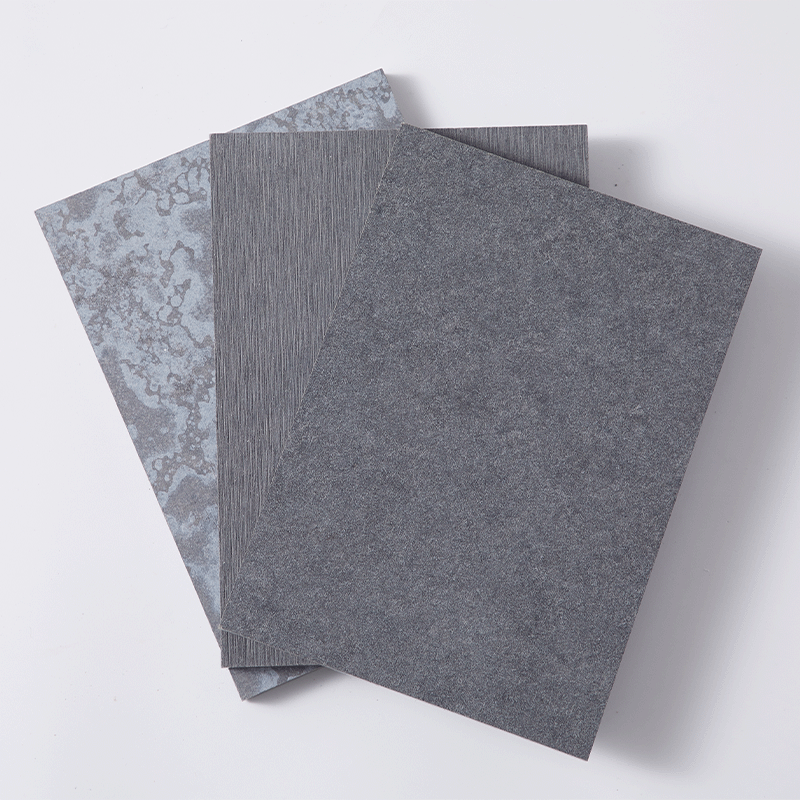
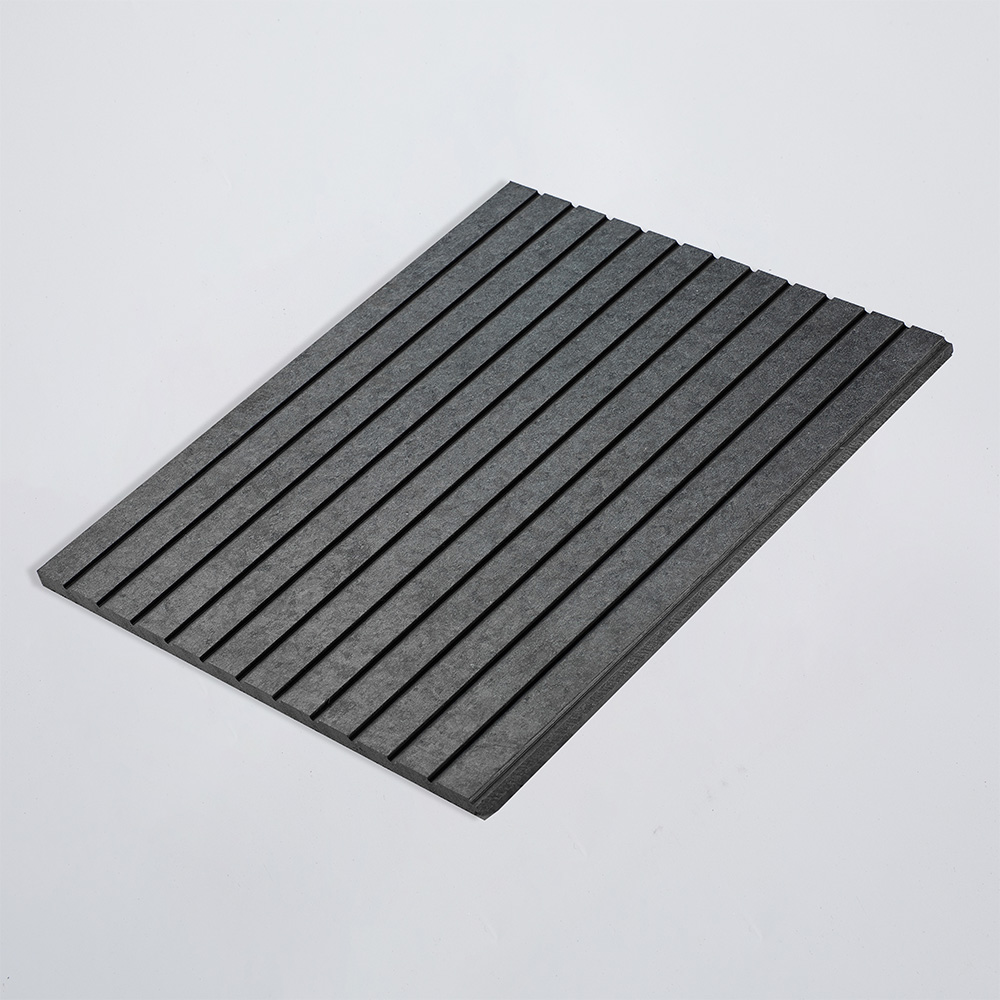
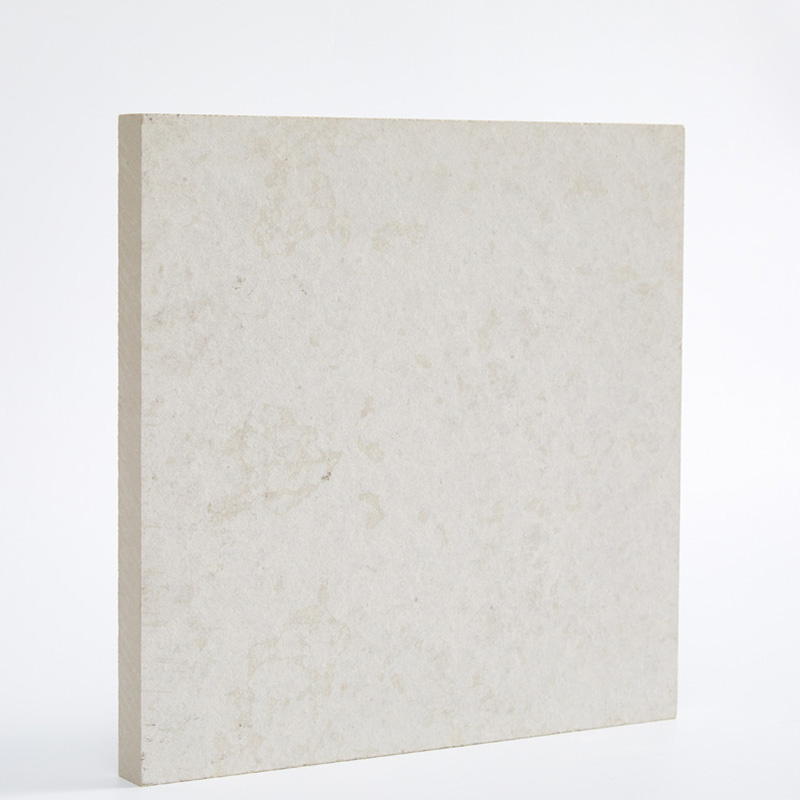
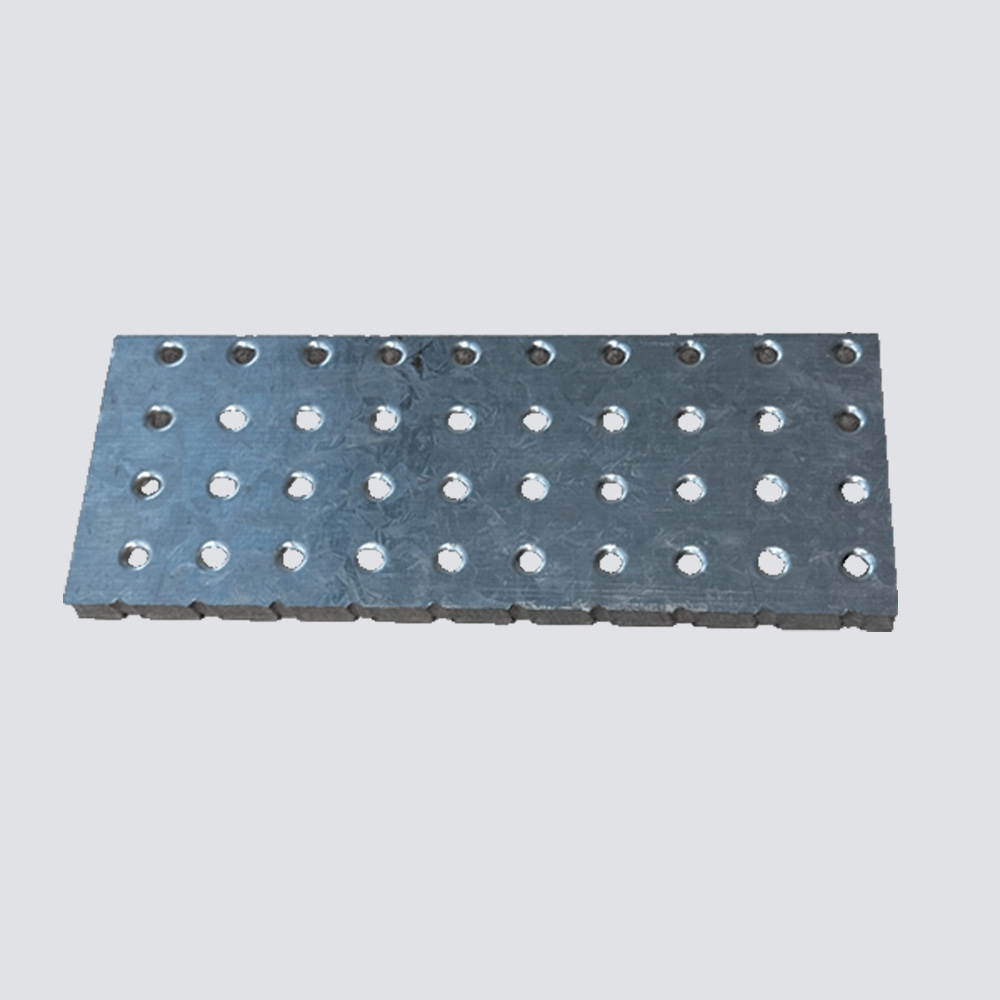
Blastboard from New Element is designed for industrial areas where fire and explosion protection are important considerations. The official product page describes it as a fire-rated panel composed of an energy-absorbing fiber cement core with outer layers of 0.5 mm perforated galvanized steel bonded to both surfaces.
This layered construction is intended to combine the mineral performance of fiber cement with the protective and reinforcing function of steel skins.
What is Blastboard?
Blastboard is a composite protective panel for explosion-protection and fire-sensitive applications. New Element states that its construction includes:
- 0.5 mm galvanized steel board
- 8.5 mm fiber cement board core
- 0.5 mm galvanized steel board
The official product page presents the total panel as a layered structure rather than a conventional single-material board. It is intended for use in industrial environments, new or renovated factories, warehouses and selected construction applications.
| Blastboard specification | Official information |
|---|---|
| Product type | Fire-rated composite explosion-protection panel |
| Core | 8.5 mm fiber cement board |
| Outer skins | 0.5 mm perforated galvanized steel on both sides |
| Apparent density | More than 21 kg/m² |
| Water content | No more than 10% |
| Static bending strength | At least 80 MPa |
| Elastic modulus | At least 24,000 MPa |
| Thermal conductivity | No more than 0.20 W/(m·k) |
| Fire classification | Class A1 non-combustible |
| Asbestos content | 100% asbestos free |
New Element notes that other technical indexes can be discussed according to project requirements. This is important because industrial safety applications often require project-specific engineering documentation.
Applications for Blastboard
The official product page lists the following applications:
- Inflammable and explosive areas in industrial facilities
- New, expanded and renovated factories and warehouses
- Separate partitions for explosive materials
- Construction site fencing
- Load-bearing floors for equipment
These applications cover both permanent and temporary construction needs. A partition may separate a high-risk process from other areas, while a floor panel may support equipment in a demanding industrial space.
The product should not be selected solely from a general description. The design team must evaluate the specific hazard, expected blast pressure, impact conditions, support structure, panel span, joint design and regulatory requirements.
Layered construction and energy absorption
Blastboard uses a fiber cement core bonded between galvanized steel layers. This structure may provide several practical advantages.
The fiber cement core contributes mineral-based fire resistance, stiffness and thermal performance. The steel skins add a protective surface and help reinforce the panel. The combination is different from a conventional gypsum partition or an unreinforced fiber cement board.
New Element describes the core as energy absorbing and lists static bending strength of at least 80 MPa and an elastic modulus of at least 24,000 MPa. These values provide a technical basis for comparing the panel with other materials, but they do not by themselves establish performance against every explosion scenario.
Industrial safety design should be based on verified test results and engineering calculations that match the actual hazard.
Fire performance and Class A1 construction
Blastboard is listed as non-combustible Class A1. Fire resistance is especially important in areas where flammable materials or process hazards are present.
A non-combustible panel can help limit the contribution of the partition or enclosure to fire growth. It may also form part of a fire-protection strategy for equipment, storage areas or industrial separation walls.
However, a board's classification is not identical to a complete fire-rated wall or enclosure rating. Performance depends on the full assembly, including:
- Panel joints
- Support frames
- Fixings
- Doors and access panels
- Service penetrations
- Ventilation openings
- Adjacent materials
- Connection to floors and roofs
The complete system should be reviewed by the responsible fire engineer and checked against local codes.
Impact resistance and anti-collision performance
Industrial spaces are often exposed to collisions from forklifts, carts, tools, equipment and moving materials. A fragile wall surface can become a recurring maintenance problem and may compromise safety if damaged.
New Element describes Blastboard as having strong impact resistance and anti-collision properties. The product page also lists anti-bending performance and identifies the panel for use in construction site fencing and industrial areas.
The actual impact performance will depend on the support arrangement and the energy of the collision. For areas exposed to vehicle traffic, designers should consider additional barriers, bollards or protective rails rather than assuming that the panel alone can withstand every possible impact.
Moisture resistance and industrial environments
Factories and warehouses may have changing humidity, wash-down operations, condensation or outdoor exposure during construction. New Element lists water content of no more than 10% and describes the board as highly moisture resistant.
Moisture resistance can help reduce warping, deterioration and mold-related concerns, but industrial moisture management still requires proper detailing. The project team should review:
Drainage
Water should not be allowed to remain at panel joints, edges or floor connections.
Joint sealing
The sealant and joint treatment should be compatible with the exposure and any chemicals present.
Corrosive conditions
Galvanized steel may be suitable for many environments, but chemical exposure and salt conditions should be assessed separately.
Cleaning procedures
The panel finish and joint system should tolerate the cleaning products used at the facility.
Thermal performance
Blastboard is listed with thermal conductivity of no more than 0.20 W/(m·k). This may help reduce heat transfer through a partition or equipment enclosure.
Thermal requirements differ widely between projects. A partition separating a warm process area from a cooler workspace may need a different construction from a temporary construction fence. The board should therefore be evaluated alongside insulation, ventilation, equipment heat output and the required indoor temperature.
Easy installation and disassembly
New Element describes Blastboard as easy to install and disassemble. This can be valuable in industrial projects where production layouts may change, equipment may be replaced or temporary partitions may need to be relocated.
A removable system can offer:
- Faster renovation work
- Reduced demolition waste
- Easier access to equipment
- More flexible factory planning
- Less disruption during layout changes
- Potential reuse in temporary applications
The installation team should still document the correct fixing and disassembly sequence. Repeated removal may affect edges, holes, joints and fastener performance. Panels intended for reuse should be inspected before being installed again.
Recyclability and environmental considerations
Blastboard is described as recyclable, and New Element presents its fiber cement and calcium silicate boards as sustainable materials. The steel skins may support material recovery, while the durable construction can reduce replacement frequency.
Environmental performance must be evaluated across the entire system. This includes manufacturing, transportation, cutting waste, damaged panels, reuse potential, recycling routes and disposal regulations.
Because the board is identified as 100% asbestos free, it also supports a safer material baseline for contemporary industrial construction.
Specification checklist for industrial projects
Before approving Blastboard, the project team should confirm:
| Design issue | Question to resolve |
|---|---|
| Hazard type | What fire, blast or impact risk is being addressed? |
| Panel span | What support spacing and fixing pattern are required? |
| Joint design | Can joints maintain the required protection level? |
| Openings | How will doors, ducts, cables and pipes be treated? |
| Fire rating | What rating is required for the complete assembly? |
| Impact exposure | Are barriers needed in addition to the panel? |
| Chemical exposure | Is the galvanized steel finish suitable? |
| Maintenance | Can damaged panels be replaced efficiently? |
| Disassembly | Is the system intended for future relocation? |
| Documentation | Are test reports and engineering calculations available? |
Project-specific engineering is essential
Blastboard may be suitable for industrial protection, but no general product description can replace a site-specific engineering assessment. Explosion risks vary according to combustible dust, gas, chemical storage, equipment type, pressure, room volume and ventilation.
The panel should be integrated into a broader risk-control strategy that may include:
- Hazard zoning
- Pressure relief
- Fire detection
- Suppression systems
- Ventilation
- Equipment separation
- Emergency access
- Structural reinforcement
- Maintenance procedures
The responsible engineer should confirm whether the selected system is appropriate for the identified hazard.
Conclusion
Blastboard is a composite protective panel that combines an 8.5 mm energy-absorbing fiber cement core with 0.5 mm perforated galvanized steel skins on both sides. New Element's official information highlights Class A1 non-combustibility, strong bending performance, low thermal conductivity, moisture resistance, impact resistance, anti-bending performance, easy installation and recyclability.
The panel may be considered for industrial partitions, explosive-material separation, factory and warehouse renovations, construction fencing and equipment floors. Its final suitability depends on the complete construction system and the specific fire, blast, structural and regulatory requirements of the project.
For current technical information and project-specific support, visit New Element Group.